





 Search
 +371 6727 1803

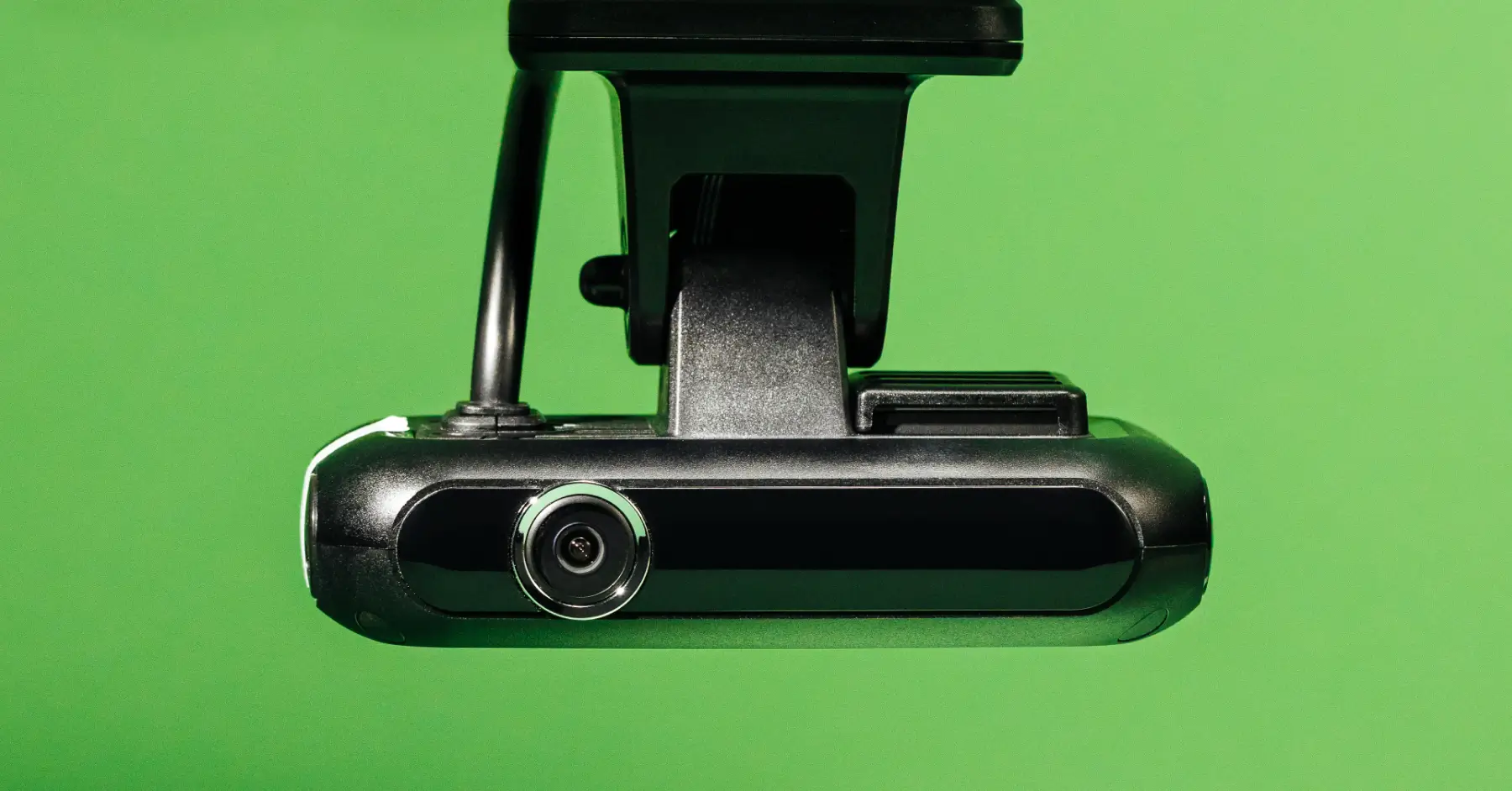
What can fleets realistically expect when they install camera systems? This article outlines the improvements we see most often. The figures are based on client experience and on research from the European Transport Safety Council, as well as data from our camera technology partners.
Savings are based on visibility
GPS shows the vehicle’s route. Sensor data adds speed, braking, or idle time. But the key information fleets often lack is context – what actually happened in the moment that preceded a claim, a complaint, or a piece of damaged equipment.
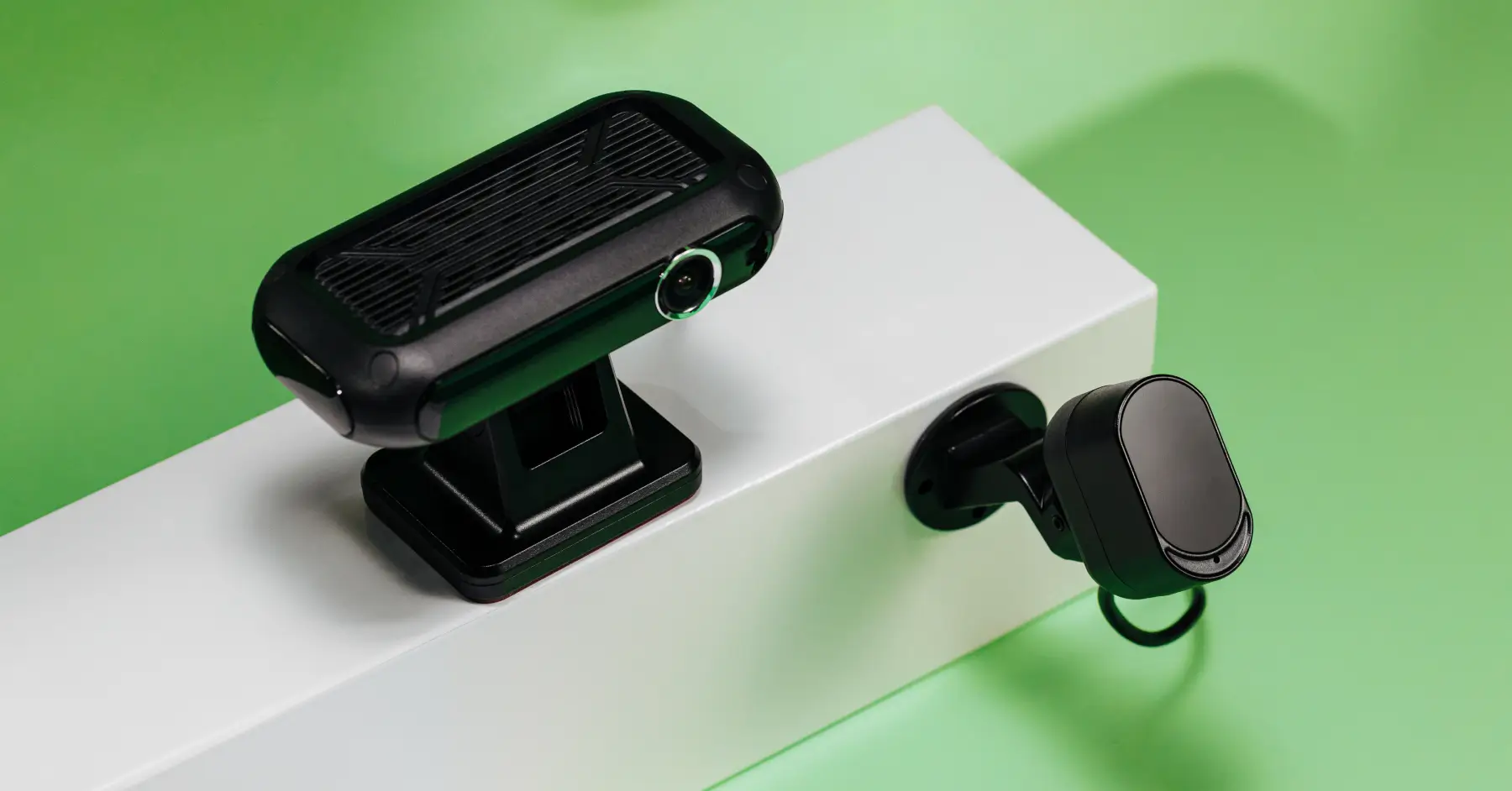
Camera systems fill that gap. Instead of reconstructing events from fragments, managers see what the driver saw. And once that visibility exists, many problems that used to consume hours become quick, factual checks.
Collision reduction: up to 40–60% under the right conditions
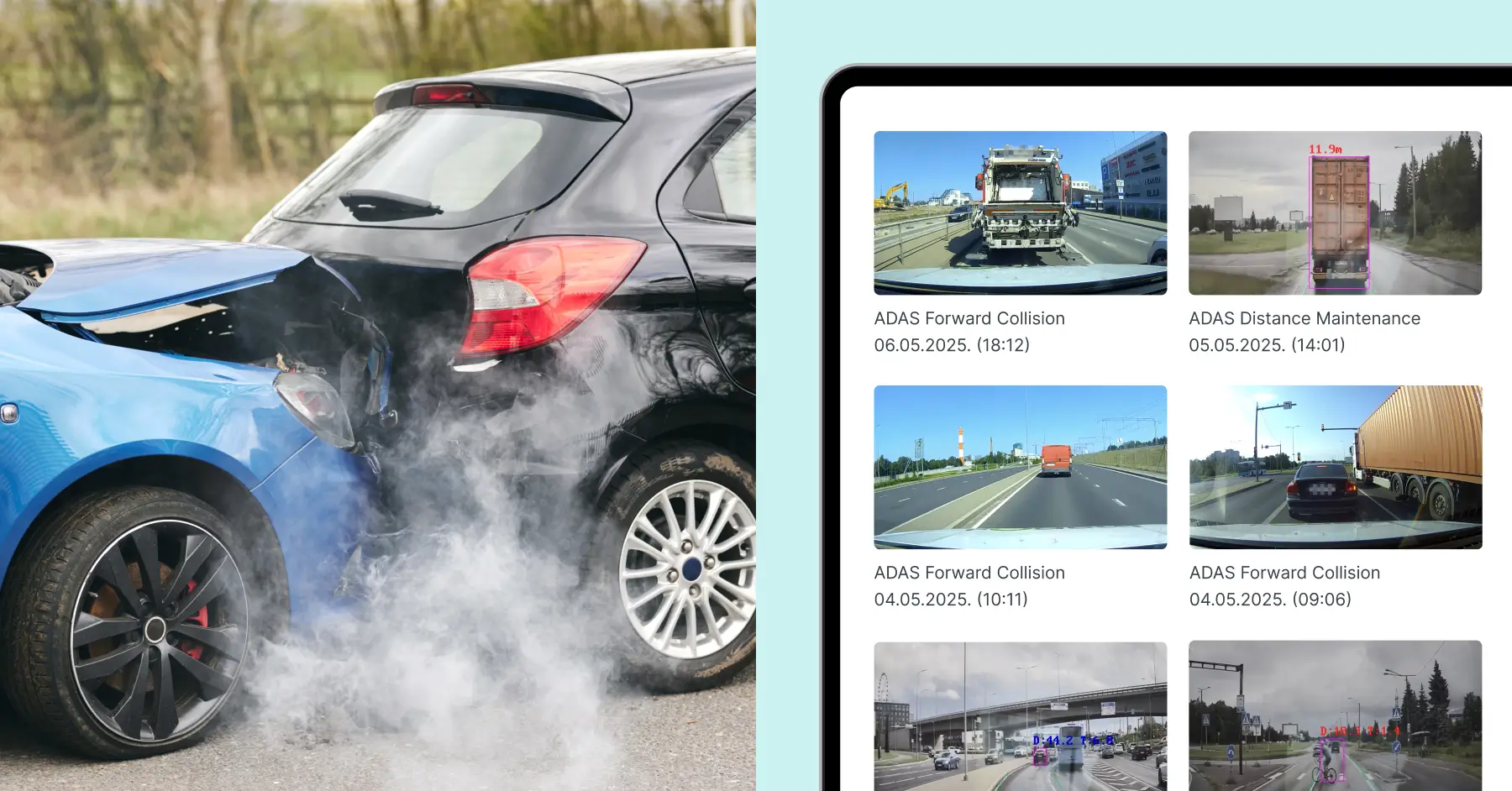
You can often hear that camera systems reduce collisions. This claim typically refers to results achieved by fleets that combine cameras, ADAS and DMS alerts, along with regular driver coaching. In those cases, collision reduction can reach up to 40–60%.
A more conservative number, and the one backed by independent studies of using fleet cameras in commercial fleets, is closer to 20–25%. That’s the kind of improvement fleets see when drivers receive timely alerts and managers follow up on high-risk situations with targeted feedback.
The mechanism is straightforward: most risky moments are unintentional. A reminder about maintaining a safe distance or avoiding distractions is often enough to change the outcome.
Fewer high-severity incidents
Fleets also report that the collisions that do happen tend to be less severe. This comes from reducing behaviours most associated with major losses:
-
distraction
-
drifting out of the lane
-
late reactions in traffic
-
harsh manoeuvres at higher speeds
Even if the total number of incidents doesn’t drop dramatically, avoiding one severe crash has a much larger financial and operational impact than avoiding several minor ones.
Driving style improvements: up to 50–98% reduction in risky actions
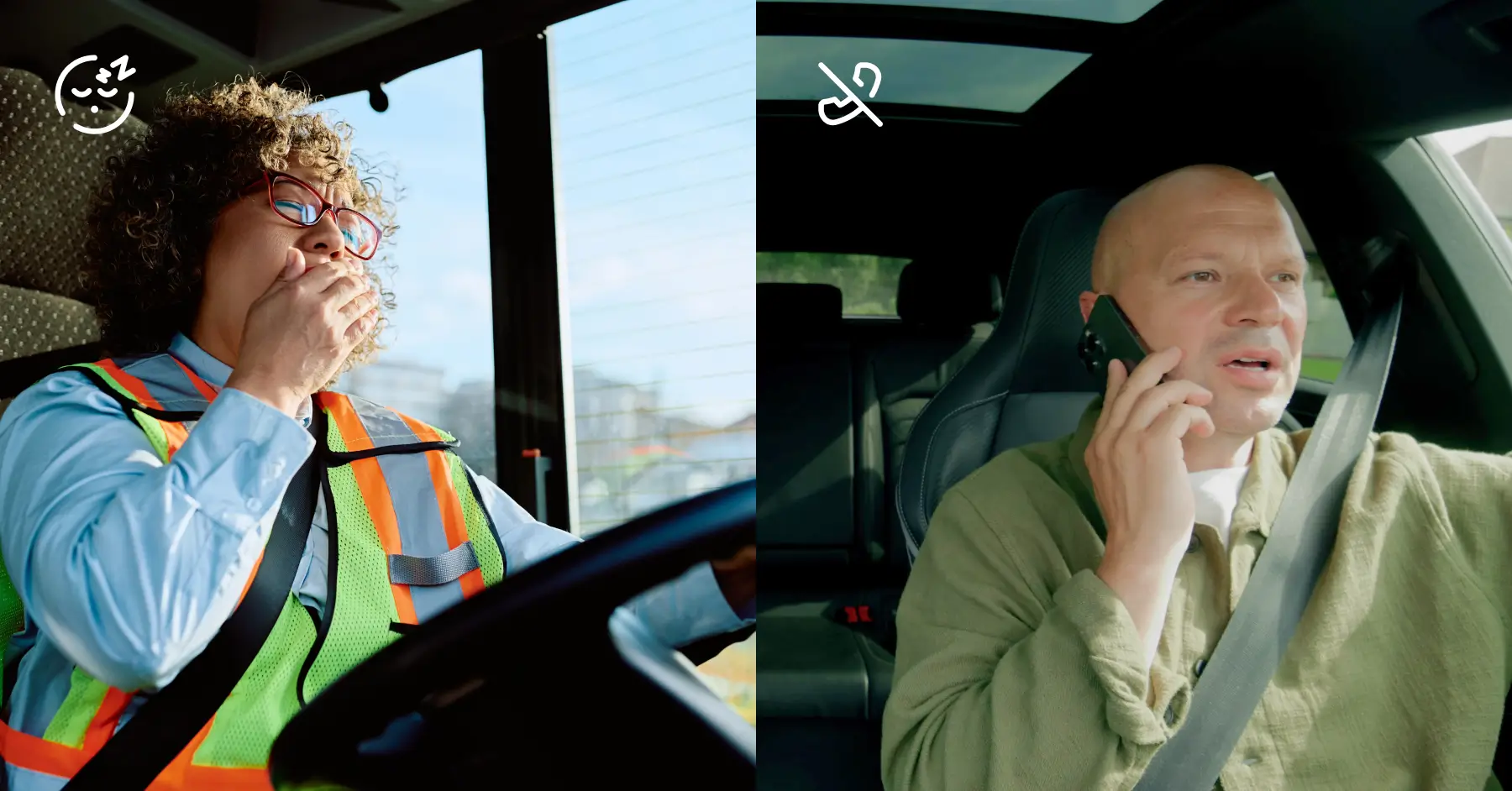
Systems that include real-time alerts see significant drops in risky driving patterns such as distraction, seatbelt violations, harsh braking or acceleration.
The results vary because fleets differ in driver skill, existing safety practices, alert settings, and how consistently employees follow up with coaching.
What fleets can safely expect is a noticeable shift in day-to-day driving behaviour. Most drivers adapt quickly once they receive immediate feedback on the road.
One of our clients even achieved 100% improvement in the driving style of one of the employees. Here is what Imberauto from Latvia says:
“After reviewing footage of his own driving, the driver with the most incidents changed his habits instantly. From that point on, the system didn’t register a single case of aggressive driving. We even tried to find out whether the driver had tampered with the camera. But no – he had simply seen himself from the outside for the first time and realised that change was necessary.”
The ETSC report supports this pattern, noting that telematics-based feedback led to a statistically significant reduction in risky driving behaviour and a meaningful increase in seatbelt use.
It also highlights that driving assessment works best when delivered as close as possible to the behaviour itself.
Camera systems make this practical: real-time alerts, livestream access, and immediate event recordings provide comments at the moment it matters most.
Decrease in driver churn of up to 45%
A well-structured safety and telematics programme can also influence driver stability. In one case study quoted by the ETSC report, a fleet that strengthened its road-risk management processes – including not only fleet cameras, but also a new driver bonus linked to safety – saw driver churn drop from 51% in 2014 to 6%.
In practical terms, this means fewer departures to replace each year. With industry estimates placing the cost of replacing a professional driver at €8,000, even a modest reduction in churn can translate into substantial savings.
Claims reduction and exoneration: up to 50%
This is one of the clearest, most reliable gains. With clear video evidence, preventable or unclear claims can drop by up to 50%.
A study by the American Transportation Research Institute found that road-facing camera footage exonerated commercial drivers in 63% of reviewed cases, and driver-facing footage did so in 49% of cases.
Video removes the ambiguity that often leads to lengthy discussions or automatic acceptance of fault. Insurers receive clear evidence, drivers avoid unfair blame, and fleets stop paying for incidents they didn’t cause.
One of our clients, Lahivaara Oy, put it simply:
“False claim savings range between €2,500 and €5,000. In fact, a single resolved case can cover the cost of equipping 15 vehicles with cameras.”
Saving up to 15 work hours in claim handling
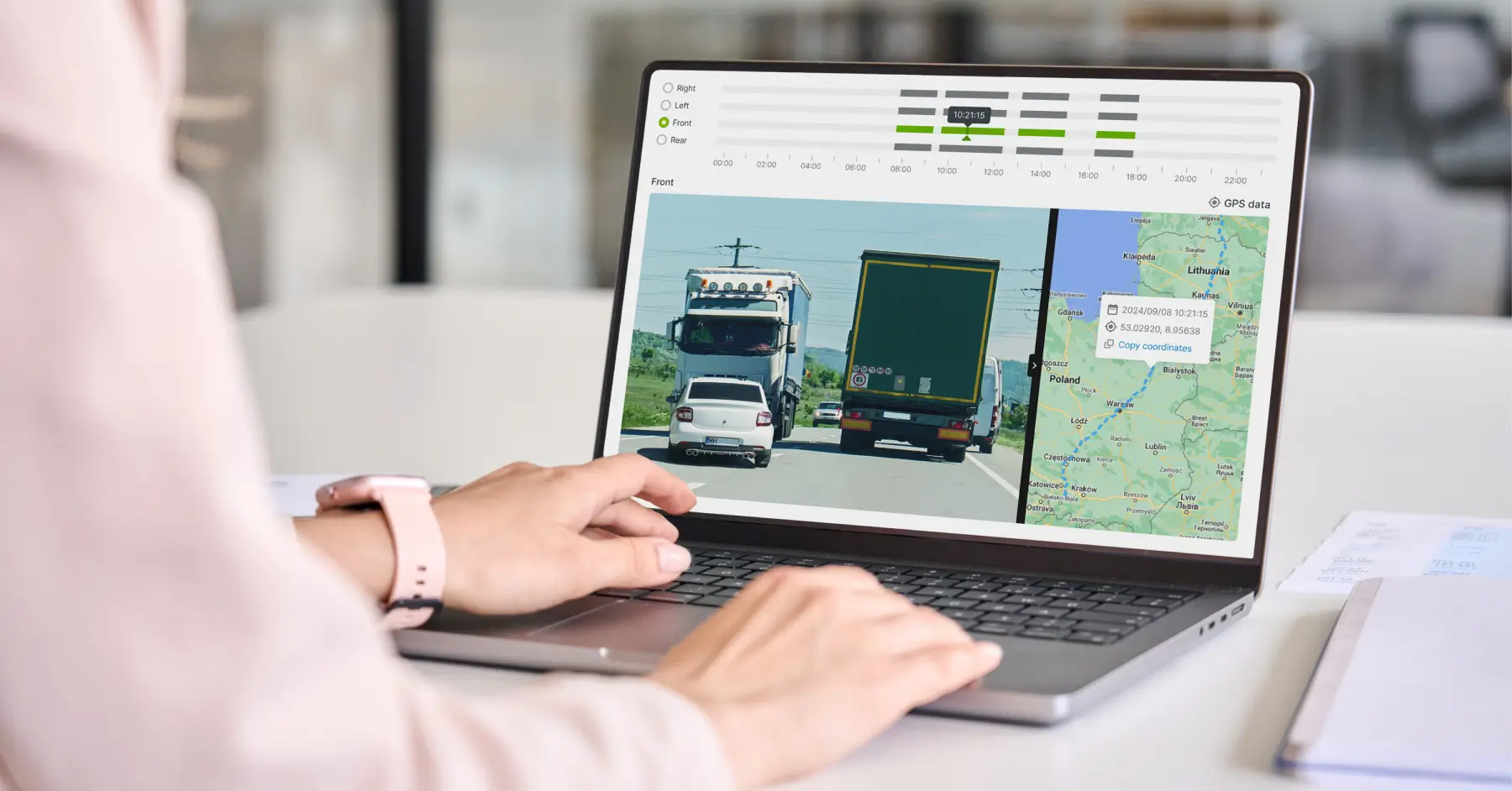
Cameras also reduce the time required to process incidents. Instead of collecting statements or making assumptions about what happened, managers send the relevant footage directly to the insurer. This reduces the need for additional information and accelerates the entire cycle.
Here is how one of our clients puts it:
“Resolving just one false damage claim saves our management team 10–15 hours of work.”
Time-to-evidence: the most underestimated advantage
One of the most overlooked benefits is how quickly managers can reach a decision once video is available. Instead of reconstructing events, they simply watch what happened.
This reduces:
-
the time vehicles spend unavailable
-
the number of internal discussions
-
the back-and-forth communication with customers or insurers
Faster clarity means fewer delays across the entire operation.
Operational hours saved: often more than expected
Camera systems consistently save managers time – not by eliminating large blocks at once, but by removing dozens of small tasks throughout the week.
Typical examples include:
-
verifying customer complaints
-
checking if a route was completed
-
investigating a minor incident
-
understanding how equipment was used
-
coaching drivers with precise examples rather than general advice.
For many fleets, this adds up to hours per week.
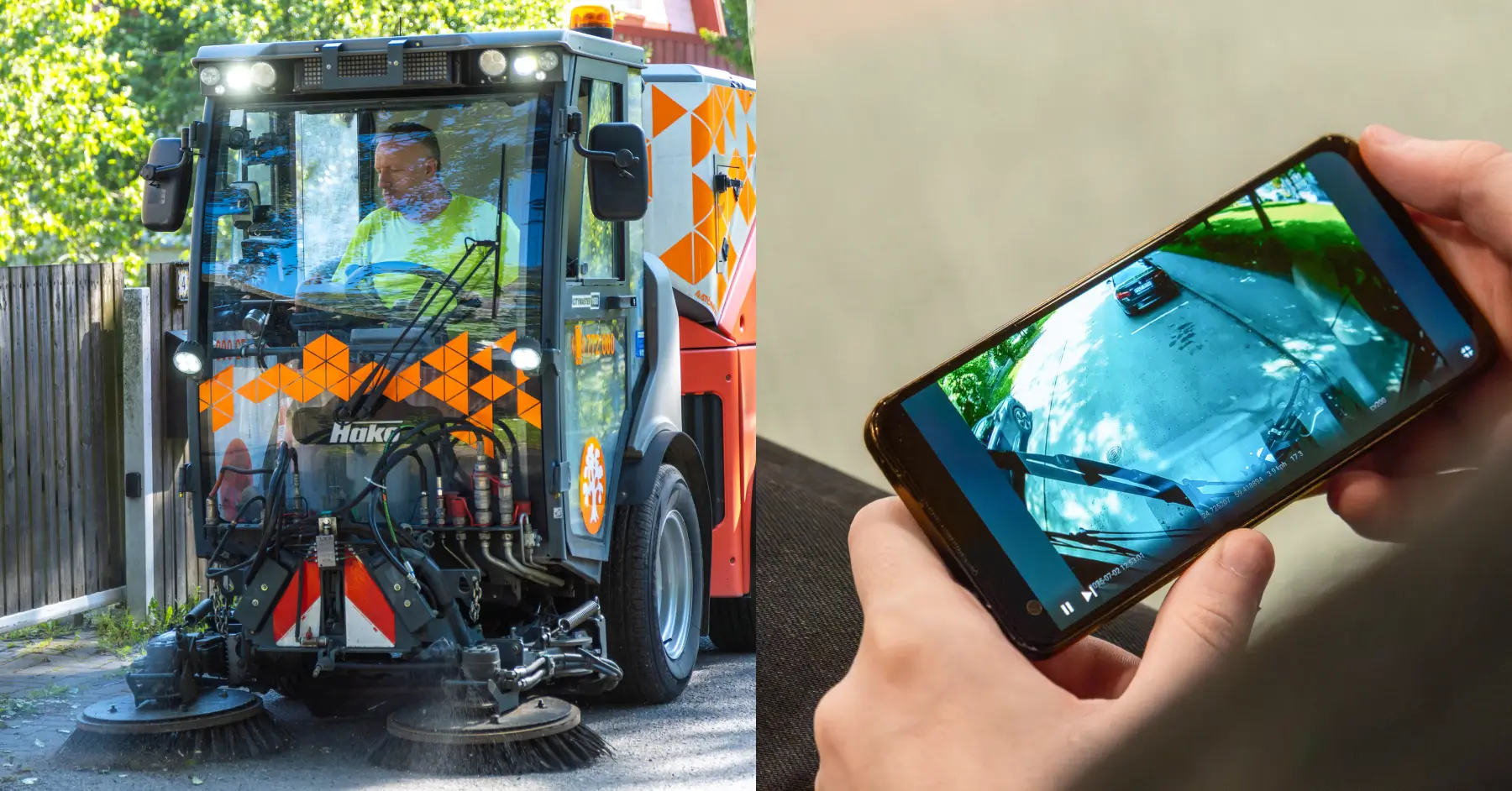
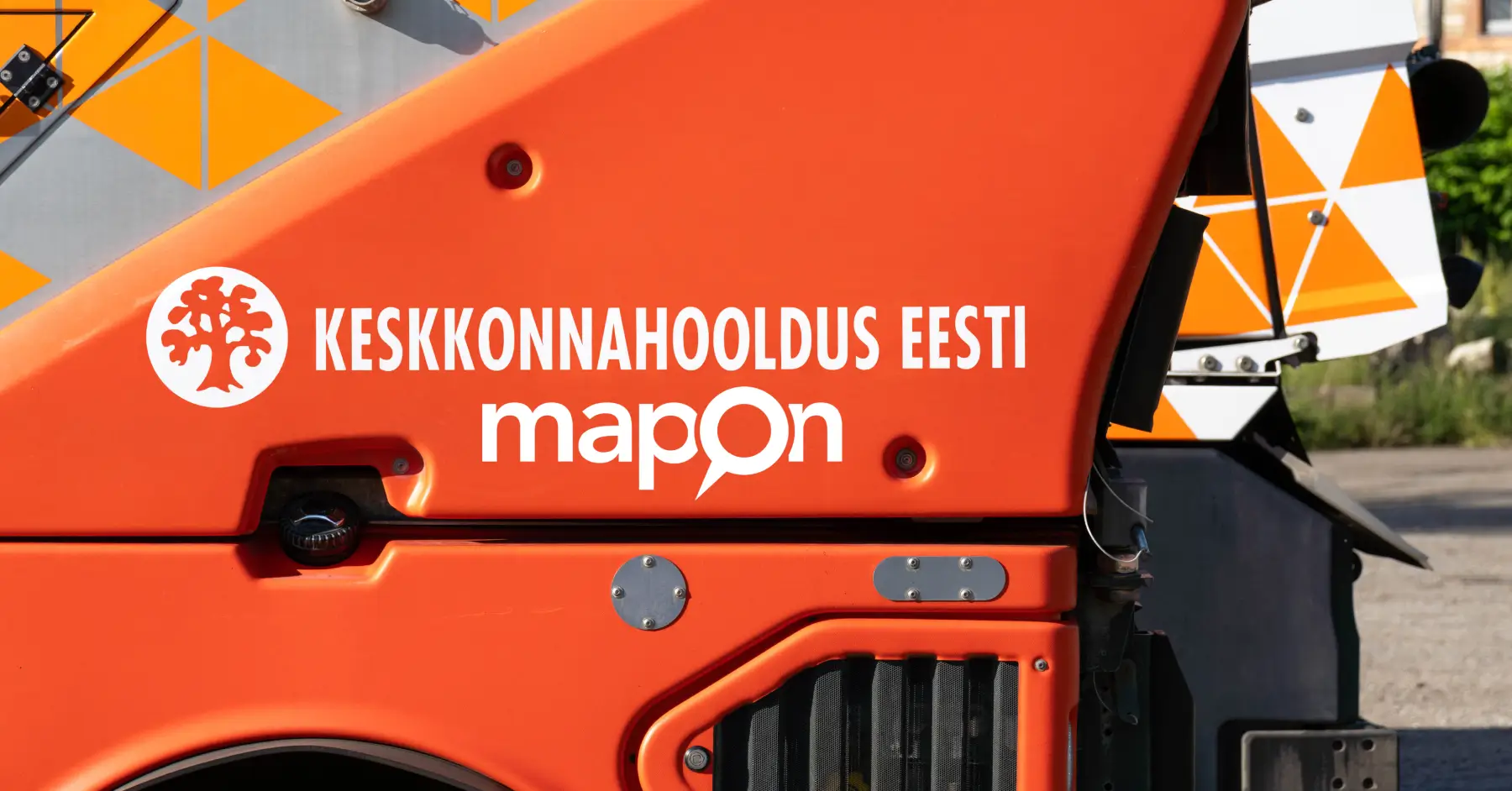
For instance, one of our clients, Keskkonnahooldus, reports saving “a few hours per day” simply by reviewing footage remotely instead of travelling to various sites. Their experience highlights how video turns on-site verification into an online task.
Delivery, service, and loading verification
Another area where cameras provide immediate value is documentation. For fleets that deliver cargo, provide services, or operate equipment on customer property, video becomes a neutral record of:
-
cargo condition before loading
-
correct handling at the destination
-
completion of work
-
explanations for delays or obstacles
This eliminates unnecessary disputes and reduces the number of calls, messages, and photos drivers need to produce, once again saving work time every single day.
Preventing equipment misuse
Specialised machinery often suffers expensive damage from avoidable mistakes — incorrect angles, low visibility collisions, improper tool positioning. Simple location-based vehicle tracking cannot reveal the cause. Video can.
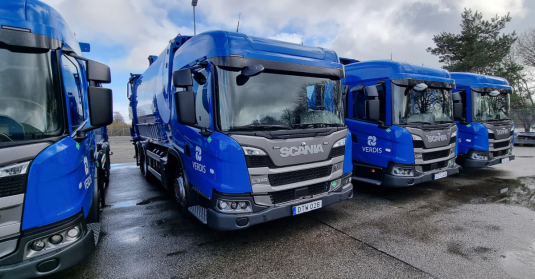
The same client we already mentioned, Keskkonnahooldus, uses cameras specifically to understand why sweeper components get damaged. Reviewing footage of tilt angles, manoeuvres, and obstacles helps prevent repeat issues, protecting equipment that costs well over €200,000.
Better brand perception
For fleets working with municipalities, logistics partners, or service clients, being able to show proof of completed work and transparent safety practices strengthens trust. It also helps during tenders where safety performance and reporting capabilities are part of the evaluation.
Evidence, not assumptions
The strongest argument for camera systems is not the technology itself, but the visibility they bring.
When fleets see what actually happens on the road, decisions become quicker, claims become clearer, and many routine tasks become simpler.
Measured conservatively, fleets can expect:
-
up to 50% reduction in claims and exoneration
-
up to 40–60% fewer collisions when alerts and coaching are used consistently
-
hours saved every week, with some fleets reporting far more
-
clearer training
-
less internal friction
-
and more effective communication with insurers and customers
Camera systems turn uncertainty into clarity, and clarity into measurable improvements across the entire operation.
If you want to understand where video could support your fleet, get in touch with the Mapon team!
 Back to all posts


_mobile.webp_mobile.webp)