










 Search
 +371 6727 1803


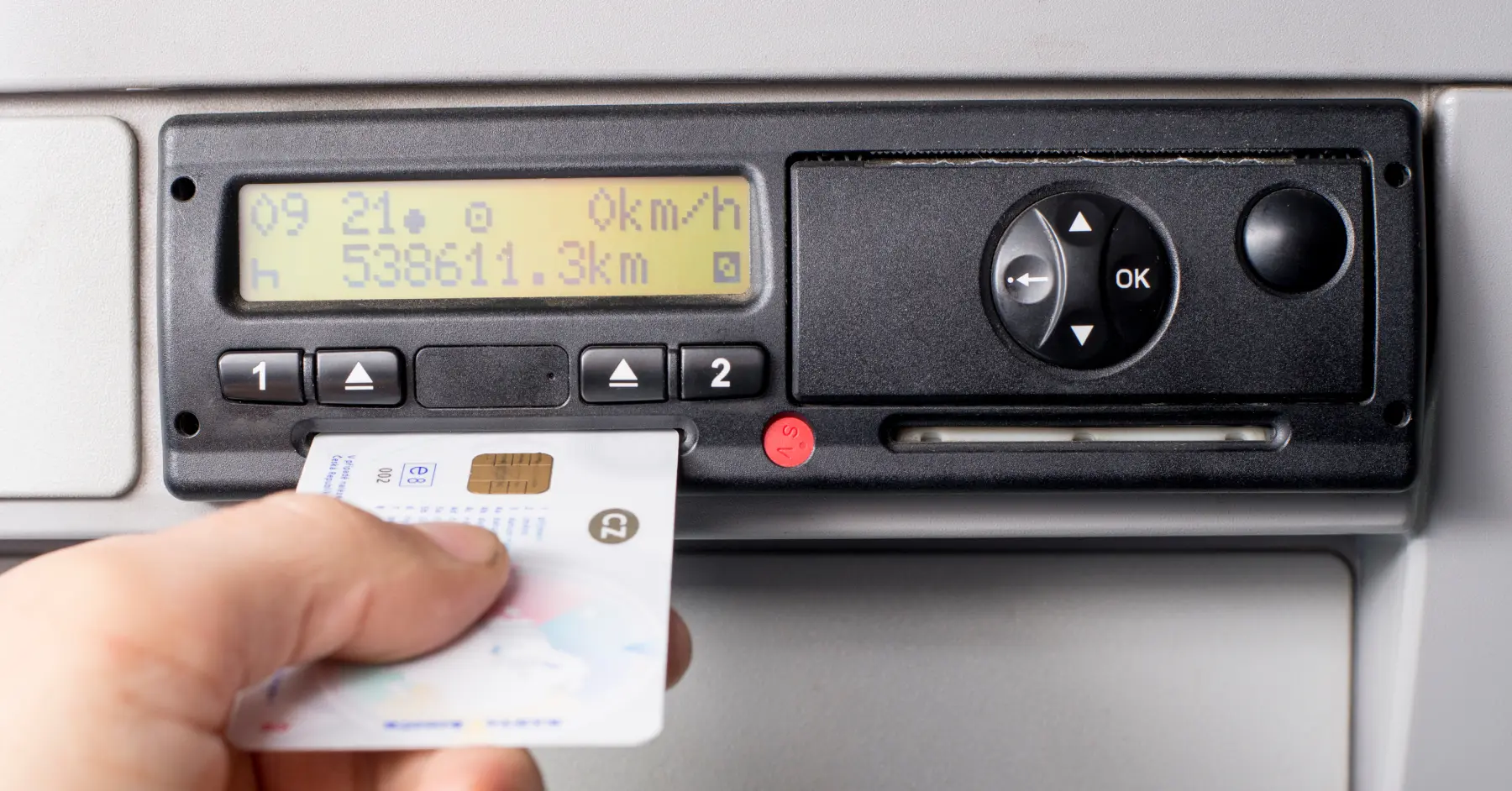
From 1 July 2026, light commercial vehicles whose maximum authorised mass, together with any trailer or semi-trailer, is more than 2.5 tonnes and does not exceed 3.5 tonnes, used for international transport or cabotage, must be equipped with a second-generation smart tachograph (G2V2).
This change is part of the European Union Mobility Package and it extends the obligations that until now only applied to vehicles over 3.5 tonnes.
If your company uses vans or light commercial vehicles for international operations, it’s important to check whether the new regulation applies to your fleet. In addition to the tachograph, you’ll also need to comply with European rules on driving and rest times, driver training, and data retention.
In this guide, we explain which vehicles are affected, what exceptions exist, what the new obligations are for companies and drivers, and how to comply with the regulation and adapt your fleet to the new requirements.
The most important things to know in July 2026
Entry into force: 1 July 2026
Vehicles affected: light commercial vehicles between 2.5 and 3.5 tonnes used for international transport or cabotage.
New requirement: installation of a second-generation smart tachograph (G2V2).
New obligations: recording driving and rest times, retaining data, and complying with European regulations.
Are there any exceptions? Yes. Some vehicles used for own-account transport or certain professional activities may be exempt.
What changes for mandatory tachographs in July 2026?
Until 30 June 2026, the obligation to have a tachograph mainly applied to vehicles over 3.5 tonnes. From 1 July, it will also apply to many light commercial vehicles used for international transport or cabotage.
To comply with the regulation, companies will need to make sure that:-
smart tachographs are correctly installed and calibrated;
-
drivers receive training on how to use the device and on the applicable regulations;
-
driver card data is downloaded at least every 28 days;
-
vehicle data is downloaded at least every 90 days;
-
all information is stored securely for a minimum of 12 months, as required by law.
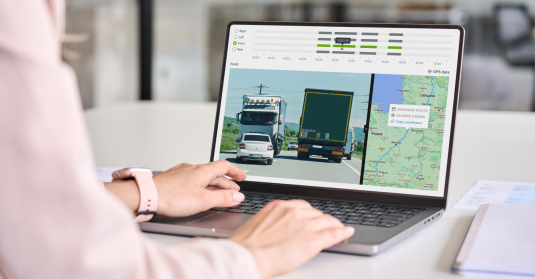
Managing all this information manually can be complicated, especially in fleets with several vehicles. Fleet management platforms like Mapon make it possible to automate remote tachograph data downloads, monitor regulatory compliance, and generate reports on driving and rest times, reducing the administrative burden.
Does your vehicle need a tachograph?
Not all light commercial vehicles are subject to the new regulations. The requirement depends on the vehicle’s weight, the type of transport activity it carries out, and whether it operates internationally.
Check if your vehicle needs a tachograph from July 2026 in less than a minute with this tool:
Check the need for a tachograph
What happens if my vehicle is affected?
If your vehicle is subject to the regulations, make sure the tachograph is properly installed and calibrated, that drivers have received the necessary training, and that data download and storage processes comply with current legislation.
What are the new driving and rest limits for vehicles over 2.5 tonnes?
The same rules on driving and rest periods that apply to heavy vehicles will now also cover vans weighing 2.5t.
Key points include:
-
Daily driving limit: 9 hours (can be extended to 10 hours twice a week)
-
Weekly driving limit: 56 hours
-
Two-week driving limit: 90 hours
-
Breaks: at least 45 minutes after 4.5 hours of driving (can be split into 15 + 30 minutes)
-
Daily rest: minimum 11 uninterrupted hours (can be reduced to 9h under certain conditions)
-
Weekly rest: minimum 45 uninterrupted hours (reduced to 24h under specific rules)
These limits are designed to improve driver safety and reduce fatigue on the road.
Which vehicles between 2.5 and 3.5 tonnes are exempt from the tachograph?
Although the new regulation extends mandatory tachograph use to many light commercial vehicles, not all vehicles between 2.5 and 3.5 tonnes (including any trailer or semi-trailer) are required to install one. European legislation provides for several exceptions, as long as certain conditions are met.
According to Regulation (EC) No 561/2006, the tachograph will not be mandatory when the following conditions are met simultaneously:
-
the transport is not carried out for hire or reward, or as a paid service;
-
the vehicle is used to transport the company’s own tools, equipment, or materials needed to carry out its activity;
-
driving does not constitute the worker’s main activity.
In other words, the exemption is intended for companies whose main business is not transporting goods, but providing another type of service. This is the case, for example, for installers, maintenance technicians, or assistance teams that use a van to travel with their tools to the work site.
In addition, according to Directive (EU) 2022/2561, driving is considered not to constitute the worker’s main activity when it represents less than 30% of their monthly working time. If driving exceeds that percentage, or transport constitutes the company’s main activity, the exemption may no longer apply.
What do companies need to do to comply with the regulations?
Companies have specific obligations related to operation planning, tachograph data management, and work organisation. Meeting these obligations helps avoid penalties and makes daily fleet management easier..
To comply with the regulations, companies should:- Plan routes and schedules so drivers can comply with driving and rest times.
- Train drivers on the correct use of the smart tachograph and the obligations set out in the regulations.
- Monitor and store tachograph data, making sure it is available in case of an inspection.
- Cover accommodation costs when the mandatory weekly rest period cannot be taken at the driver’s home.
- Organise the driver’s return to the operational centre or their place of residence within the deadlines set by European regulations.
- Keep the necessary documentation available for roadside checks, including documents related to posted drivers where applicable.
Make tachograph compliance a part of your daily workflow
Preparing for the new rules does not stop with installing a smart tachograph. Once it's in place, companies must regularly download driver and vehicle data, store it securely, monitor driving and rest times, and be ready for inspections at any time. Doing all this manually can be time-consuming, especially as your fleet grows.
Automate tachograph downloads with Mapon
Mapon's remote tachograph download automatically retrieves driver card and vehicle data according to the legally required schedule. There's no need to bring vehicles back to the base or remind drivers to perform manual downloads.
With automated downloads you can:
-
Keep in line with mandatory download deadlines
-
Avoid missed downloads and costly human errors
-
Keep all tachograph files securely stored and inspection-ready
-
Save hours of administrative work every month
Make sure drivers follow the rules with Tachogram
Collecting tachograph data is only a part of the whole process. Tachogram helps turn that data into practical insights that make daily fleet management easier.
Instead of manually checking tachograph data, fleet managers can:
-
Monitor driving and rest times
-
Detect infringements and coach drivers on how to improve
-
Plan shifts knowing remaining driving time
-
Access reports and compliance data whenever needed
Companies using Tachogram reduce potential fines by ~20% during the first three months while making tachograph data management significantly easier.
Together, Mapon and Tachogram create a complete tachograph compliance workflow, helping fleets follow the EU regulations without adding more manual work.
How to adapt to the new regulation after July 2026
The new regulation is already in force. If your company uses light commercial vehicles between 2.5 and 3.5 tonnes for international transport or cabotage, it’s important to check that all requirements are being met and correct any possible non-compliance as soon as possible.
1. Check your fleet todayConfirm whether your vehicles, together with any trailer, exceed the 2.5t threshold and ensure that any vehicles covered by the regulation are already equipped with a compliant smart tachograph (G2V2).
2. Train your driversCheck that they understand how to use the tachograph, the driving and rest times, and the recording obligations.
3. Review data managementCheck that tachograph data is downloaded, stored, and monitored in accordance with the regulation.
4. Automate complianceFleet management platforms such as Mapon make it possible to automate tachograph data downloads, monitor compliance, and generate reports, reducing the administrative burden.
Need help managing compliance with the new regulation? Discover how Mapon can help automate tachograph management and driving times, contact our team at [email protected]


Do I need a tachograph if I only cross the border occasionally?

Do the rules also apply to domestic transport?
What happens if my vehicle weighs less than 2.5 tonnes?
What penalties may apply for non-compliance with the regulation?
How to monitor driving times?
Not sure whether your vehicle is exempt?
 Back to all posts