










 Search
 +371 6727 1803


Do you operate a large fleet with modern vehicles, but the fleet data is fragmented and not fully utilised? You know where your vehicles are, but perhaps management is cumbersome, or you can't precisely explain why fuel costs have risen or how different driving styles affect costs.
In fleet management, location and basic information are just the beginning. When vehicle-specific data is consistently integrated across the entire fleet, you gain insight into what truly impacts your company's bottom line.
The best and safest way to collect vehicle data in heavy fleets is through an FMS connection.
FMS: a standardized way to collect truck data regardless of the vehicle brand
FMS-standard (Fleet Management System Interface) is a common standard approved by main heavy vehicle manufacturers: the vehicle provides a unified and secure data output from the CAN bus to the telematics device.
In practice, the FMS plug is a connector in the vehicle through which an external device, such as the Mapon fleet tracking device, receives predefined information from the vehicle for the fleet management system. The FMS interface is an optional connection offered by truck manufacturers. The largest vehicle manufacturers approve FMS data output following the same logic, whether it is eg. Scania, Volvo, MAN, or DAF.
UNECE R155 cybersecurity regulations require vehicle manufacturers to manage and secure all external data connections to prevent cybersecurity risks within the vehicle's internal network. By using FMS, companies do not need to conduct their own cybersecurity reporting – the FMS interface does not compromise vehicle security. FMS does not affect vehicle data but acts as an output channel.
FMS is a uniformly manufacturer-approved method of reading vehicle data, offering a limited, standardised data output. In other words: FMS makes multi-brand fleet data comparable and consistent.
What does FMS interface offer?
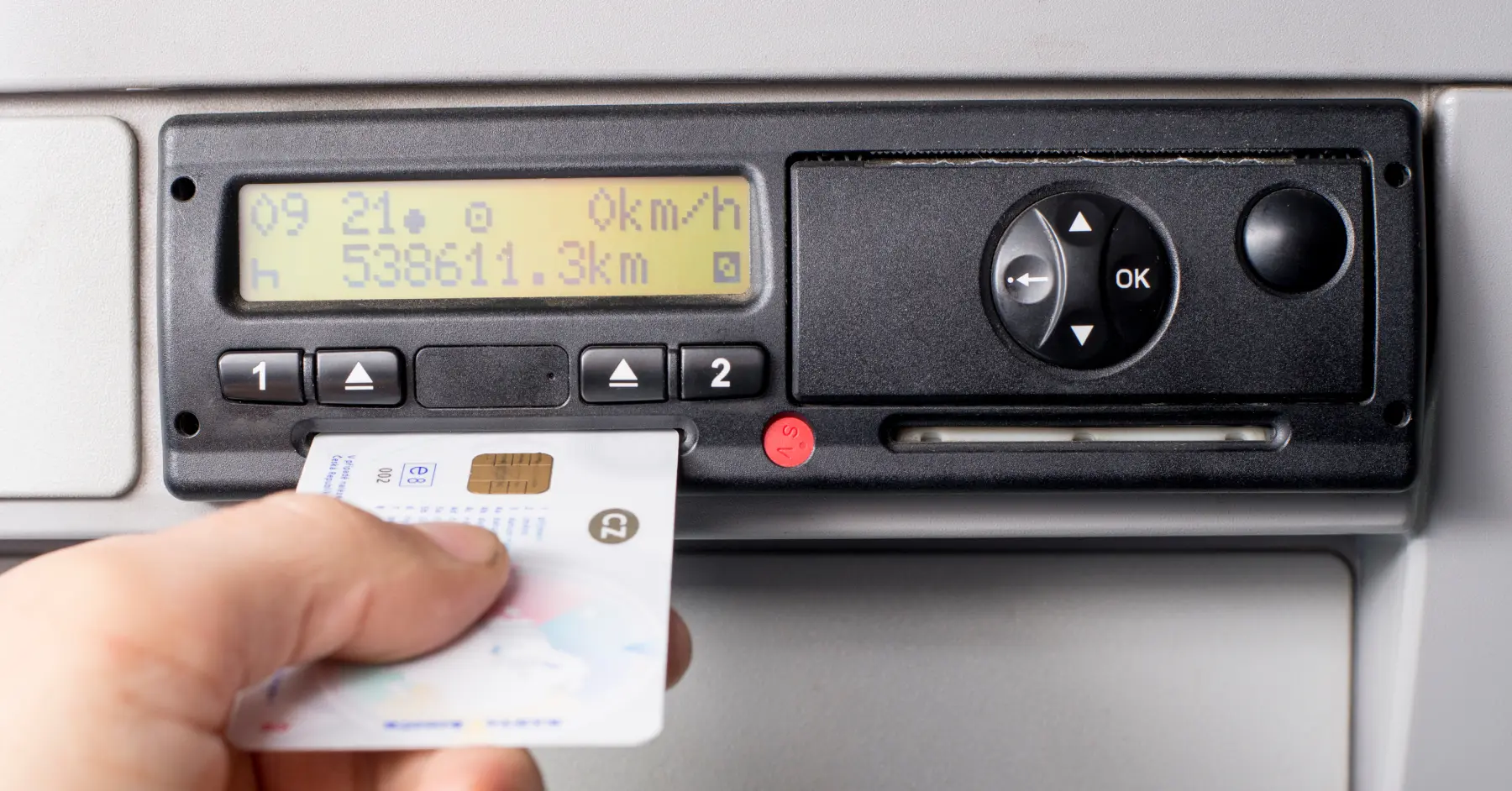
Inside the vehicle, information travels through the CAN bus. FMS is a standardized part of this data, transmitted to telematics in a manufacturer-approved manner through the FMS interface. Also remote tacho downloads are also possible via the same connection.
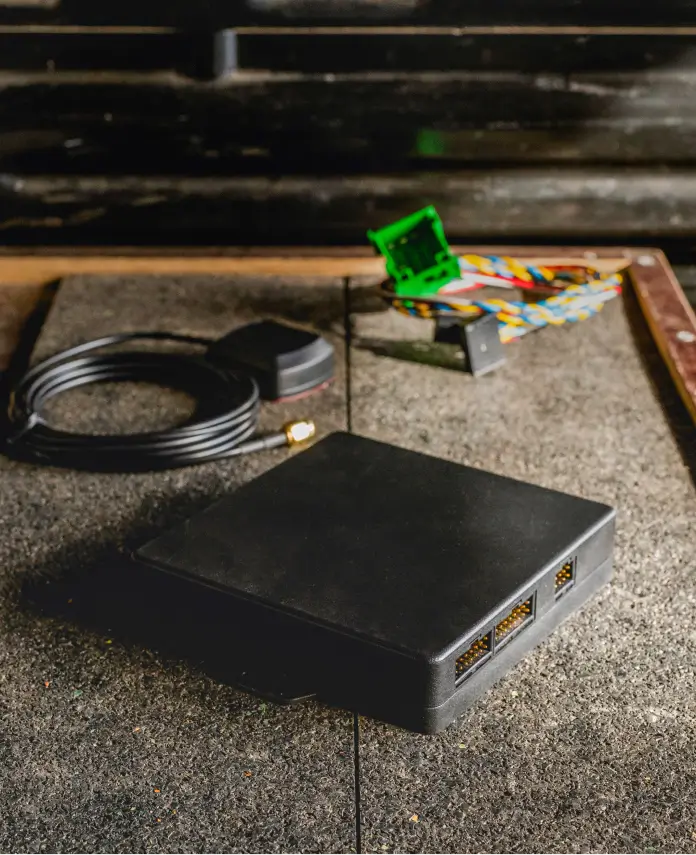
Typically, through the FMS, you can get:
- speed, mileage, and fuel data
- engine RPM and engine hours
- use of accelerator, brake, and cruise control, idling, PTO status
- basic vehicle and maintenance information such as VIN, mileage, axle/total weight data.
Simple installation in 15 minutes – "Anyone can do it"
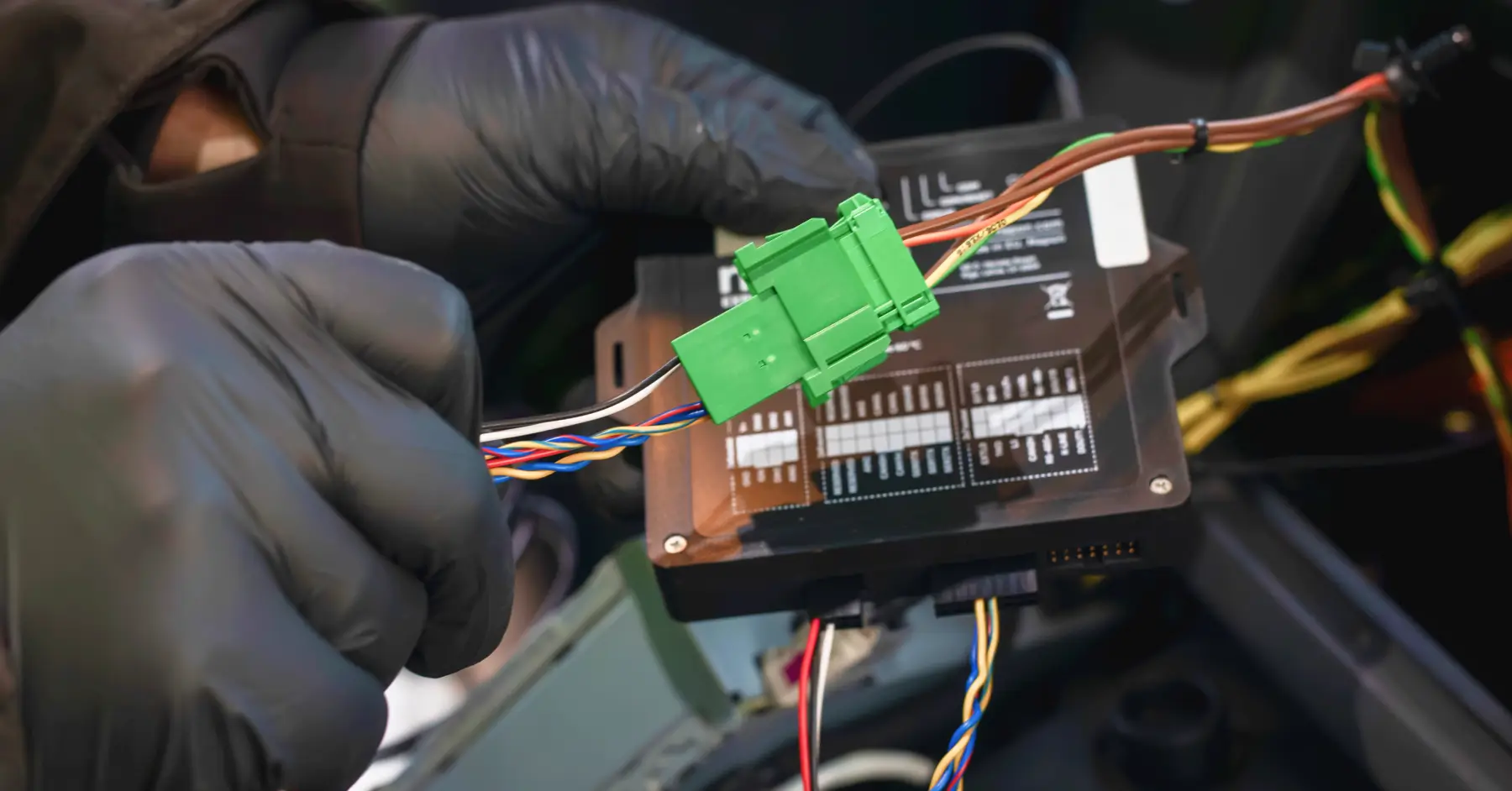
FMS installation is very simple. The telematics device is connected directly to the FMS plug, or the data is brought into the fleet management system from the vehicle manufacturer's system via integration.
Our client Powder-Trans's fleet manager Tero Viitanen sums up the installation process at its best: “Open the vehicle's panel, plug it in, and you're back on the road”. According to his experience, connecting a single vehicle to FMS takes only 15 minutes. Most of their device installations were done on the road – even while the driver was unloading the freight or taking a break. At best, installations did not cause any additional downtime or even a return to the depot for installations.
“We have installed the devices in our vehicles ourselves. From a customer's perspective, FMS connection is as easy as it can be. 15 minutes per installation and rock’n’roll, the vehicle is back on the road. When well planned, installations do not stop operations or cause downtime,” Tero Viitanen says.
His message to other fleet companies is clear: “When you order a new vehicle, make sure it is FMS-ready and that the FMS plug is activated. This ensures safe data export and consistent data and reporting across your fleet.”
More precise fuel and driving behavior monitoring
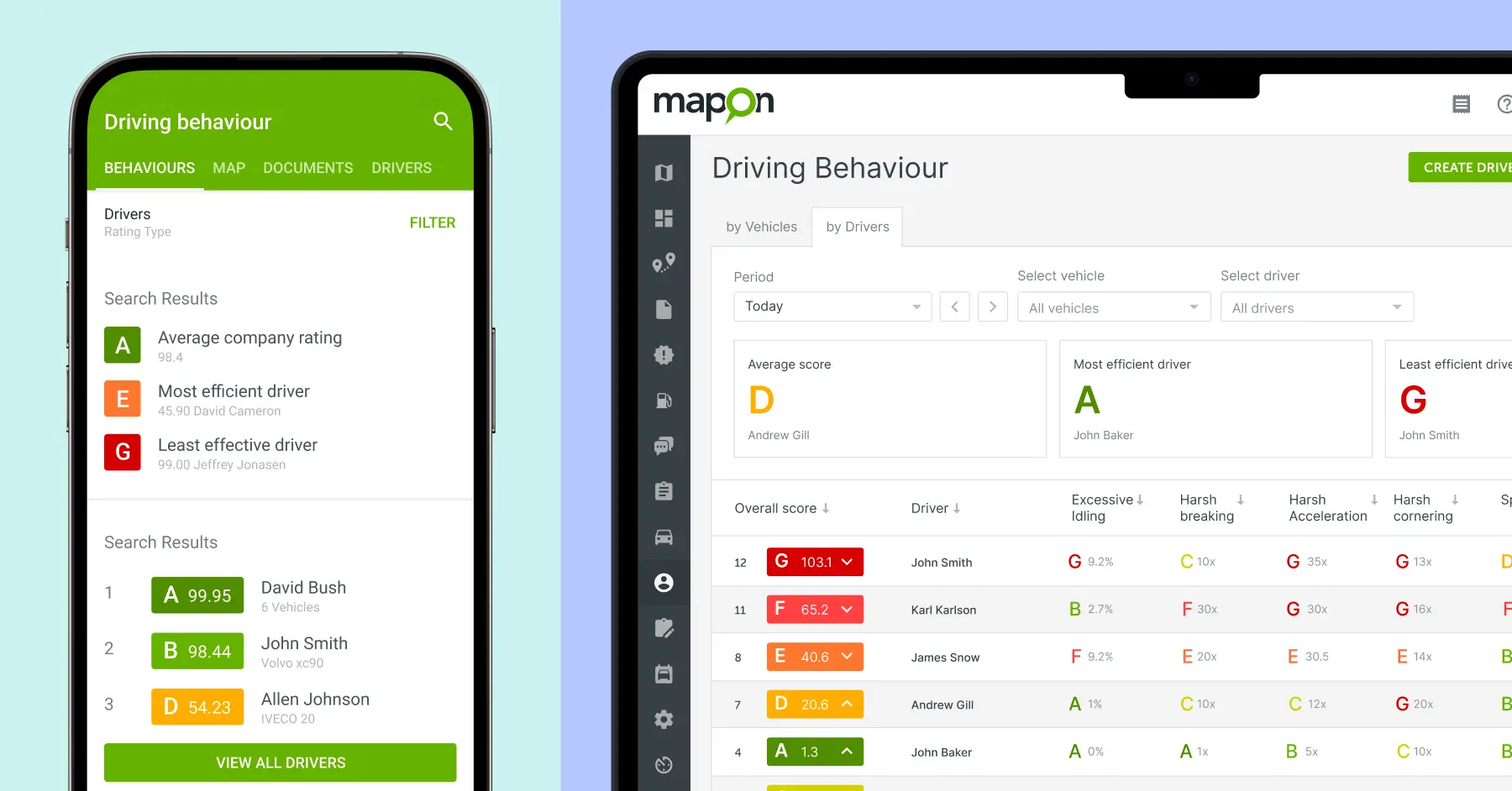
The FMS provides insight into how the vehicle is actually used. The use of the accelerator, brake, and cruise control, as well as speeding and RPMs, reveal much more about driving style than just GPS location. This enables:
-
Coaching for economical, fuel-efficient and eco-friendly driving
-
Improvement of anticipation and safety on the road
-
Driver-specific feedback based on factual data
Fuel and driving style monitoring provided by different vehicle brands may not rely on the same data or calculation model – some use GPS data for calculations, while others use CAN-data and they might emphasize different metrics.
“If multiple systems are used, the results may become distorted. When driving style is monitored based on FMS data and within one centralised system, it is equal, fair, and comparable for all drivers,” summarize Tero Viitanen from Powder-Trans and Mapon's Key Account Manager Mika-Petteri Sulkio.
If FMS interface is used, Mapon system receives standardised data from all vehicle brands through the FMS and converts fuel monitoring and driving behaviour data into an easily digestible and visualised report on the platform. The user can define which metrics should be emphasised in the calculations for all vehicles, and the platform will then calculate each driver's driving style score using the same method. This is exactly how Powder-Trans monitors driver performance and coaches for safer and more efficient driving styles.
Efficient and proactive driving is reflected in reduced fuel consumption and vehicle wear and tear. More money on the bottom line for your company.
Unified management and reporting of multi-brand fleets
Without FMS integration, each vehicle brand speaks a different language. Not all information may be comparable, which makes reporting and integrations more laborious and slower. With FMS, basic data is collected in a standardised format and transferred to the Mapon system.
-
Comparable data from every vehicle
-
The same calculation logic for all vehicles, regardless of brand
-
Consistent metrics and reporting for the entire fleet
With FMS data and centralised fleet management platform, fleet management becomes significantly easier, especially when there are many vehicles from various brands.
Additionally, FMS data combined with the fleet management system’s maintenance module and reminders helps you anticipate service needs. With this data supporting your decisions, you can schedule maintenance at the right time, reduce downtime, and spot differences in vehicle utilisation.
Powder-Trans: centralized data and control are a must for us
Our client, Powder-Trans, operating in the transport and logistics industry, uses FMS data and Mapon system for fleet management.
“FMS is an absolute must for us. We use it in all vehicles. It's the safest and most efficient way to collect vehicle data,” says Powder-Trans Fleet Manager Tero Viitanen.
In a large fleet, consistent data collection and using one centralised system is the only practical and time-efficient way to manage daily transport operations: all vehicles are visible on the same map, analyses and reports are built from the same data sources, and information about the entire fleet is always available in one place.
“We have several different vehicle brands, and each manufacturer has its own systems. It would be really burdensome to browse multiple OEM systems side by side and compare data between them. From the start, it was clear to us that we wouldn’t build separate integrations with each manufacturer’s system. Instead, we bring vehicle data straight into Mapon, which can handle the data from every one of our vehicles regardless of brand,” Tero explains.
A centralised comprehensive fleet management system saves several hours a week and eases administrative work. It is essential for large fleets.

FMS – the key to unified vehicle data
The FMS interface is the key to vehicle data, which makes fleet management and reporting unified, easy, and compliant with standards. When FMS data is used, location data is complemented by accurate information on fuel, driving behaviour, and engine status.
This way, you can reduce costs (fuel, vehicle wear and tear, maintenance, utilisation), improve driving habits and safety, and manage a multi-brand fleet with unified metrics.
When you want to see the true performance of your fleet, FMS is the right step. If you’re wondering whether FMS data is available for your fleet and how it can benefit your daily operations, we are here to help. Get in touch with Mapon team and let’s turn data into a competitive edge for you too!
 Back to all posts