





 Search
 +371 6727 1803

For fleets, a traffic accident rarely means just a damaged vehicle. The most costly aspect is often time: downtime, rescheduled trips, idle equipment, and team resources spent on disputes, explanations, and gathering documents.
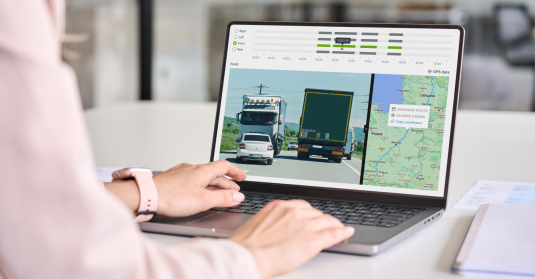
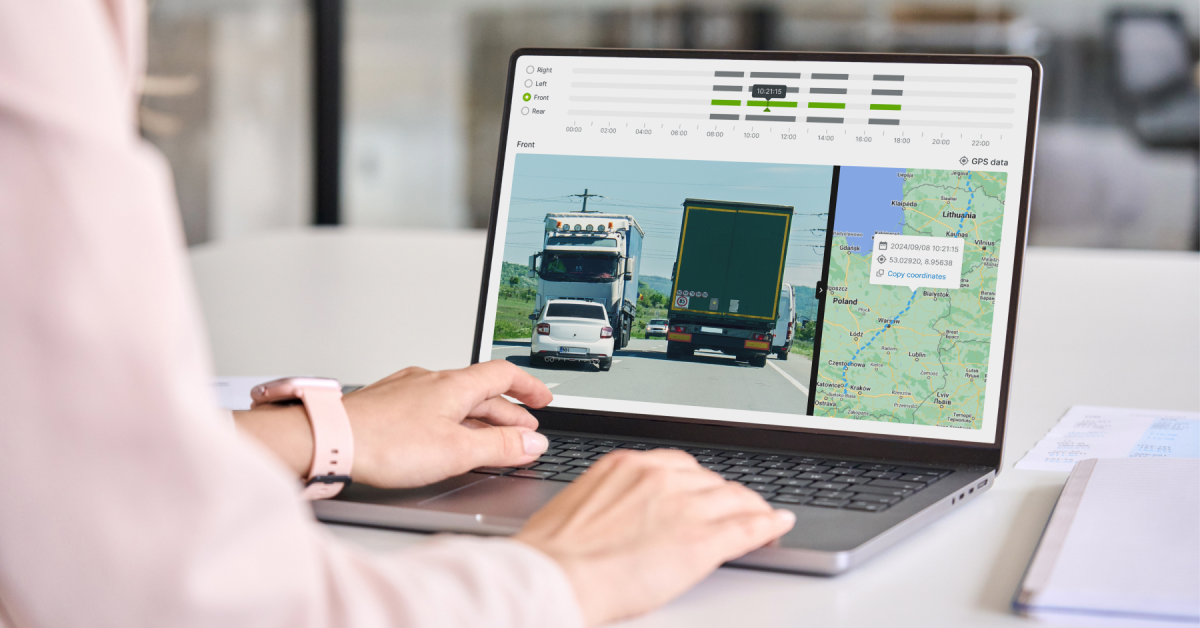
In such cases, camera solutions provide tangible benefits: video evidence helps clarify events faster, speeds up insurance decisions, and reduces cases where confusion leads to “shared fault” being applied.
This is exactly what the Draugiem Group Mentor Club in collaboration with TVNET organized a webinar with experts from Mapon, CSDD, and the Safe Driving School – on how data and technology help reduce disputes and make fleet management safer and more efficient.
Read the main insights from the webinar in our article!
5 situations when a camera pays off immediately
When discussing specific benefits for fleets, these are typical situations where video evidence saves the company money:
-
Lane changes – the classic "who didn't see whom" scenario.
-
Harsh braking and disputes over distance.
-
Overtaking situations, especially on highways.
-
Conflicts of the "he cut me off / squeezed me out" type.
-
Parking lot damages or "hit and run" cases where the driver is not present.
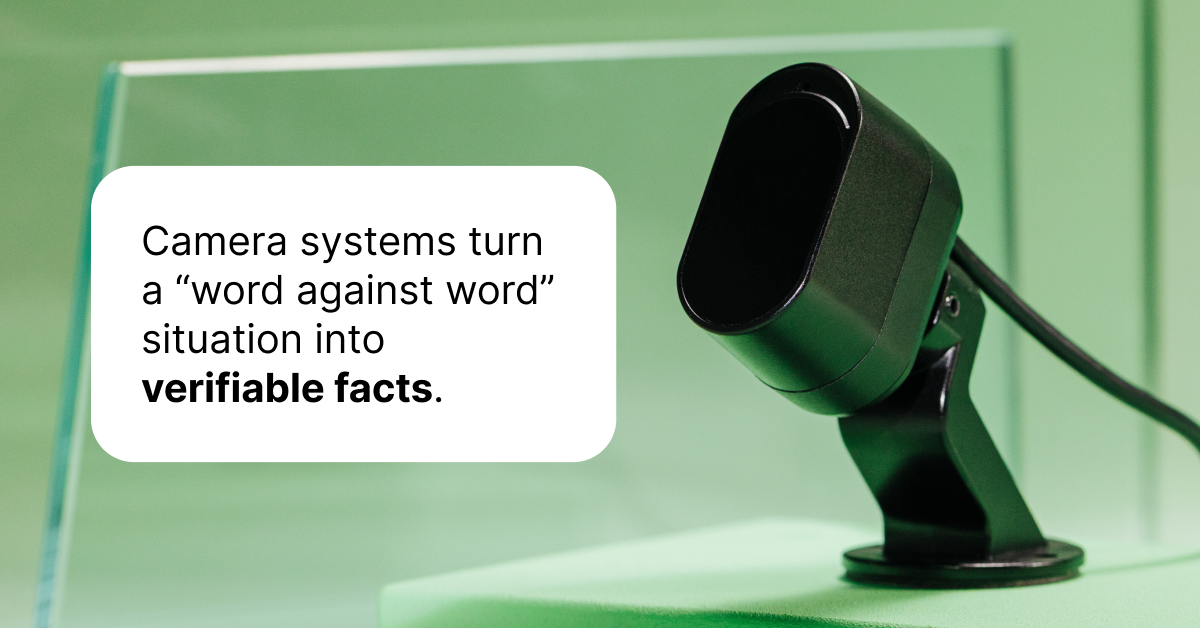
In such moments, camera systems turn "opinion versus opinion" into a verifiable fact.
And another significant benefit: the video not only helps resolve the specific incident but also serves as training material for the future to prevent similar situations from recurring.
When video is missing, interpretation wins
In many minor and medium-scale accidents, the evidence base is limited: a mutual statement, some photos, and each party's version involved. If the situation is more complex – lane changes, not maintaining distance, overtaking, braking, or the classic "who didn't see whom"–interpretations begin.
CSDD traffic safety expert Oskars Irbītis, who has also worked in the insurance security service and participates in the LTAB (Latvian Motor Insurers' Bureau) expert work, describes it very clearly:
"If only a mutual statement is filled out and maybe a few photos are taken, then expert discussions can last for hours."
– Oskars Irbītis, CSDD traffic safety expert
If there is a lack of clarity, a compromise decision is often made, which is ideal for no one, not because it is objective, but because it allows the case to be closed.
In business terms, it's explained simply: even if you are sure that the truth is on your side, without clear evidence, the situation remains "opinion versus opinion."
From versions to facts
Video material is not just another attachment to the case. It changes the very essence of the discussion – from comparing versions to fact-checking.
Oskars Irbītis emphasized a very specific difference in the discussion:
“In the case where there is a recording from the camera, there is live video material – within three minutes of discussion, it becomes completely clear what happened.”
These “3 minutes” are a crucial indicator of what a company gains with cameras – time and clarity. And clarity in the fleet means practical benefits:
-
fewer disputes about liability;
-
fewer cases of “shared liability”;
-
faster path to insurer's decision;
-
less administrative work;
-
simpler communication with involved parties.
From a “viewpoint versus viewpoint” situation, the conversation turns into an analysis of provable facts – and this significantly reduces both time and tension in the process.
A vehicle only earns when it drives
In a discussion, Safe Driving School director Jānis Vanks precisely outlined the reality of fleet management: a vehicle only earns when it is operational.
“If it is a work tool, a truck, a taxi, or any vehicle that earns money, then the period until the insurer's decision is a delay. These are brutal losses. If there is video material and the insurer can review it faster, then you're already ahead.”
– Jānis Vanks, Safe Driving School director
This is a crucial argument not only for the operations manager but also for the finance team. Even a slight delay in documentation or fault interpretation can lead to higher costs than the damage itself, especially if:
-
the vehicle has scheduled trips with specific deadlines;
-
replacement is complicated due to specific equipment or configuration;
-
the delay causes a chain reaction – delivery delays, contract penalties, or customer dissatisfaction.
Therefore, video solutions should not be viewed as an optional extra safety element. Cameras are a tool that helps ensure business continuity and reduce the risk of downtime.
Video as protection, not control
For some workers in the transport industry, cameras are still associated with control. However, a different perspective clearly emerged in the discussion: video is primarily a company's protective mechanism in situations where disputes or ambiguities arise.
"The motivation, especially for commercial transport, is the defense of one's interests and complete information about one's business.
If my business is transportation, then why wouldn't I monitor my main work tool – the truck? First of all, I need to protect my interests, train the driver, and ensure that the routes are efficient."
– Oskars Irbītis
In the context of fleets, this is especially important because:
-
the vehicle encounters many other traffic participants daily;
-
risks can be posed not only by the company's driver but also by others;
-
objective evidence, not subjective explanation, is needed in disputable situations.
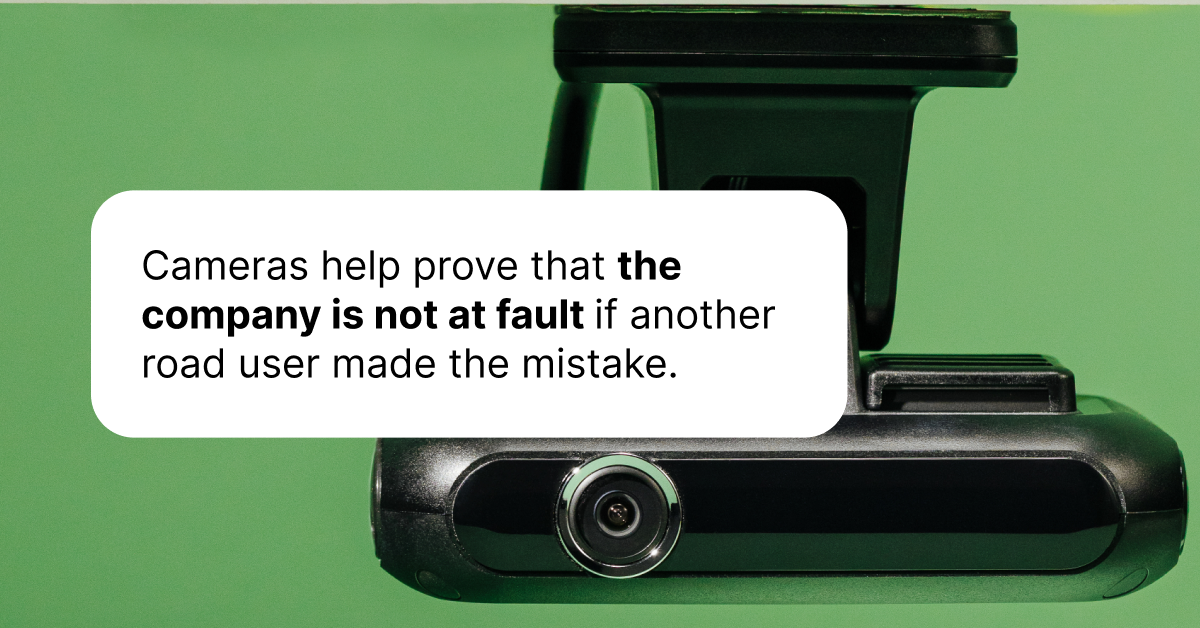
Therefore, a camera is not just a tool to help analyze driver errors. It is also a way to prove that the responsibility does not lie with the company if someone else made the mistake.
Clarity that saves time
In insurance terms, the value of camera solutions is simple:: fewer interpretations, more facts, and a shorter path from incident to decision.
-
Without video: time, discussions, "shared blame".
-
With video: clarity, speed, and the ability to objectively defend the company's interests.
At the fleet management level, it means more than just safety. It means a more stable business rhythm: less downtime, fewer unforeseen costs, and less time spent resolving issues.
If each incident in your fleet means lost time, additional costs, and unnecessary disputes, it might be time to view video solutions as a strategic tool rather than additional equipment.
Cameras not only help clarify what happened but also defend the company's interests and expedite the path to an insurance decision. Contact the Mapon team to find out which camera solutions best suit your fleet's needs and how to implement them effectively!
 Back to all posts

_mobile.webp_mobile.webp)