








 Search
 +371 6727 1803

An alcohol interlock is often perceived as a mandatory tool or a monitoring tool. For transport companies, however, its true value lies in safety, risk management, responsible business operations, and gaining a competitive edge in tenders.
When an alcohol interlock is integrated with Mapon’s fleet management platform, it becomes much more than a standalone device installed in a vehicle. Companies gain real-time visibility into breath test results, exceptions, and vehicle usage within the same system as their other fleet data.
Together with Dignita, an alcohol interlock provider and one of our partners, we will summarize the importance of alcohol interlocks in modern fleet management.
What Is an Alcohol Interlock?
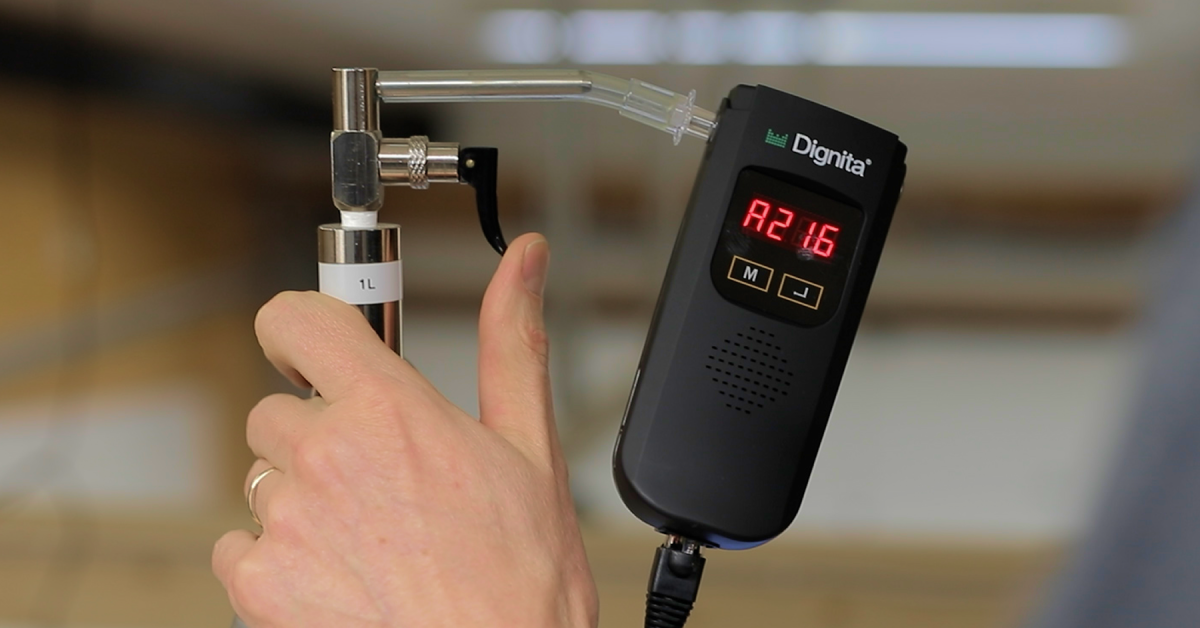
An alcohol interlock is a device installed in a vehicle that requires the driver to pass a breath alcohol test before the vehicle can be operated. If the test result exceeds the predefined limit, the vehicle cannot be started.
Alcohol interlocks are no longer just a voluntary safety measure. For example, they have been legally mandatory in Finland for school and daycare transport since 2011, while France and Spain require them on certain public transport buses and coaches.
Even where legislation does not require them, many public tenders and contracts for safety-critical transport services, such as school transport and hazardous goods, increasingly specify alcohol interlocks as a requirement.
EU law also requires new M- and N-category vehicles to be equipped with the technical capability to support alcohol interlocks, highlighting their growing role in improving road safety.
Why Are Alcohol Interlocks Needed?
Alcohol remains a significant road safety risk. According to the European Commission, approximately one quarter of all road traffic fatalities in Europe are linked to alcohol.
For transport companies, the risks are not limited to serious accidents. Driving under the influence can also result in near misses, vehicle damage, downtime, delivery delays, and significant reputational harm.
The primary purpose of an ignition interlock is to prevent dangerous situations before they occur.
Prevention Is a Smart Investment
From a transport company’s perspective, an alcohol interlock is not merely a cost but a long-term investment in safety. Heavy vehicles often remain in service for many years, making the annual cost of the device relatively small compared to the potential costs of an incident.
A single prevented accident, vehicle damage case, or business interruption can cost more than the entire solution. At the same time, companies gain peace of mind: safety procedures are not based on assumptions but are implemented consistently across every vehicle.
“Investing in alcohol interlocks isn't just about managing risk – it's about building a culture of safety that protects your team, your brand, and your bottom line.”
– Mika-Petteri Sulkio, Key Account Manager / Mapon
Alcohol Interlocks Are Not About Monitoring — They Are a Safety Practice
One of the most common misconceptions about alcohol interlocks is the feeling of being monitored, according to Dignita. Drivers may feel that they are being distrusted or constantly watched.
This is why it is important for companies to communicate the purpose of the solution correctly. An alcohol interlock is not a sign of mistrust toward individual drivers but rather a component of a shared safety culture. Just like seat belts, tachographs, or driver behaviour monitoring systems, it is designed to protect the driver, other road users, and the company.
According to Dignita, when alcohol interlocks are introduced openly, and supported with clear reasoning and training, the solution quickly becomes a normal part of the everyday routine – just like any other tool. This way, employee acceptance is typically higher.
"Their purpose is to ensure that every shift starts safely. In the same way as seat belts, tachographs, and other professional safety systems, alcohol interlocks are there to protect the driver, other road users, and the continuity of the company’s contracts, operations, and reputation."
– Sampsa Köykkä, Dignita
Why Choose Dignita Alcohol Interlock + Mapon Integration?
A standalone alcohol interlock can prevent a vehicle from being driven, but without a fleet management system, the information often remains stored only in the device’s local log. Events can then only be reviewed afterwards, for example during maintenance when the data is downloaded.
When integrated with Mapon, the alcohol interlock becomes part of the company’s real-time fleet management operation. Companies can monitor breath tests, receive alerts, and access reports remotely.
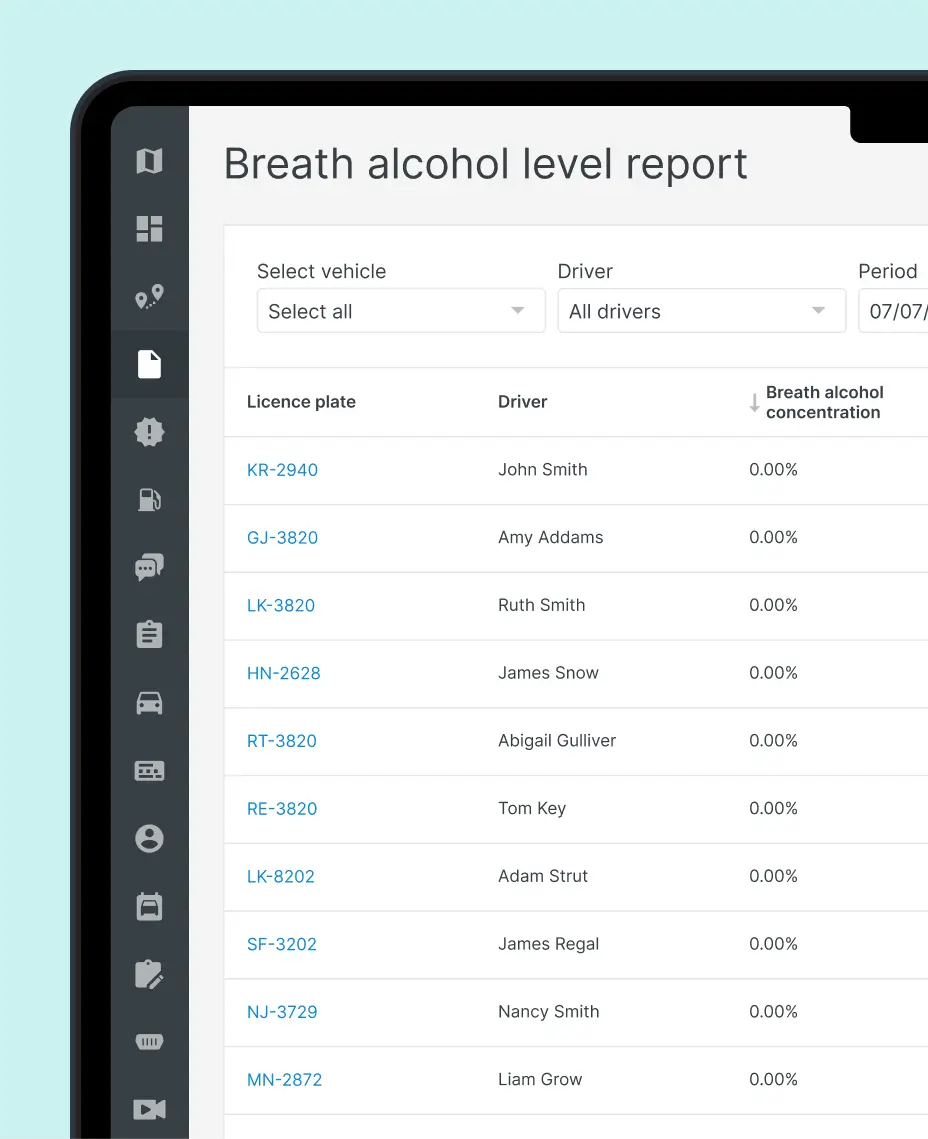
With the Mapon and Dignita integration, companies can:
- Receive alerts about failed breath tests
- Review breath test history through reports
- Combine breath test data with driver and vehicle information
- Request a retest remotely when necessary
- Override ignition blocks remotely if conditions require
- Set service reminders for maintenance
Safety Investments Create a Clear Competitive Advantage
In many industries, alcohol interlocks are already a requirement set by customers or included in tender specifications. For example, safety requirements are particularly high in school and passenger transport as well as hazardous goods and fuel transport.
Even when not required by law or by the customer, using alcohol interlocks can strengthen a company’s market position. It demonstrates to customers and partners that the company invests in safety through concrete actions.
Corporate responsibility is no longer just a statement – it becomes visible in day-to-day operations. As our customers describe it:
“We initially tested alcohol interlocks after discussing with our clients, and we have noticed that the discussion about their use has increased. Alcohol interlocks demonstrate our commitment to responsibility and to improving road safety. The data integrated into Mapon makes safety monitoring centralized and transparent.”
— Powder-Trans
“When I check the alcohol interlock reports, I see that not everyone always passes the test. This shows that without such solutions, safety would be at risk.”
— PostHaul
A Small Routine With a Major Impact
For drivers, an alcohol interlock is a small additional routine. For a company, however, its impact can be substantial. It reduces risks, supports a strong safety culture, strengthens the company’s market position, and helps meet both customer and regulatory requirements.
When combined with Mapon’s fleet management platform, companies also gain real-time visibility and the tools needed to respond to exceptions as they occur.
Ultimately, the goal is simple: to prevent impaired driving before it can cause harm to drivers, other road users, vehicles, and the company’s reputation.
Contact our team to learn how to turn alcohol interlocks into a competitive advantage for your fleet.
 Back to all posts


_mobile.webp_mobile.webp)