









 Search
 +371 6727 1803



Culligan is a global leader in water solutions with a presence in over 90 countries, nearly 1,400 employees in Spain, 28 branches, and a rapidly expanding fleet. With 76,000 monthly operations and a clear goal of electrification, managing their fleet with manual processes was no longer sufficient. Jesús Domínguez, Fleet & Insurance Manager at Culligan Water Spain, tells us how they changed that.
The Challenge: Growing with a Global Vision
Before implementing Mapon, Culligan already used a route planning solution, but lacked real-time visibility into vehicle locations and driver activity. Many fleet-related processes were handled manually, requiring significant time and effort from operations teams.
The problem wasn't just about efficiency: in a fleet of this size, without precise data, it's more complicated to make strategic decisions about vehicle rotation, fuel consumption, or growth planning.
"We used to work with partial information and many manual processes. We needed a global, centralized, and real-time view," explains Jesús Domínguez.
The Implementation: Scaling with Confidence
The implementation process of Mapon was carried out progressively. During the first six months, a pilot test was conducted in Catalonia to validate the feasibility of the solution.
After the pilot, the extension to the main areas; Catalonia, Andalusia, and the center of Spain was completed in just 20 working days. The most remote branches of the territory were operational in a month and a half. A controlled implementation, with visible results from the very beginning.
The Solutions Used by Culligan
Today, Culligan Spain actively uses:
- Driver identification to know who moves each vehicle and when
- Fuel control with direct integration with Repsol
- CO₂ emissions monitoring to measure and report the environmental impact of each vehicle, in line with their sustainability goals and the requirements of the European CSRD regulation
- Real-time location to manage rotations between warehouses and branches
- Driver behavior analysis currently in the testing phase to develop efficient driving training
Full Fuel Traceability Through the Mapon and Repsol Integration
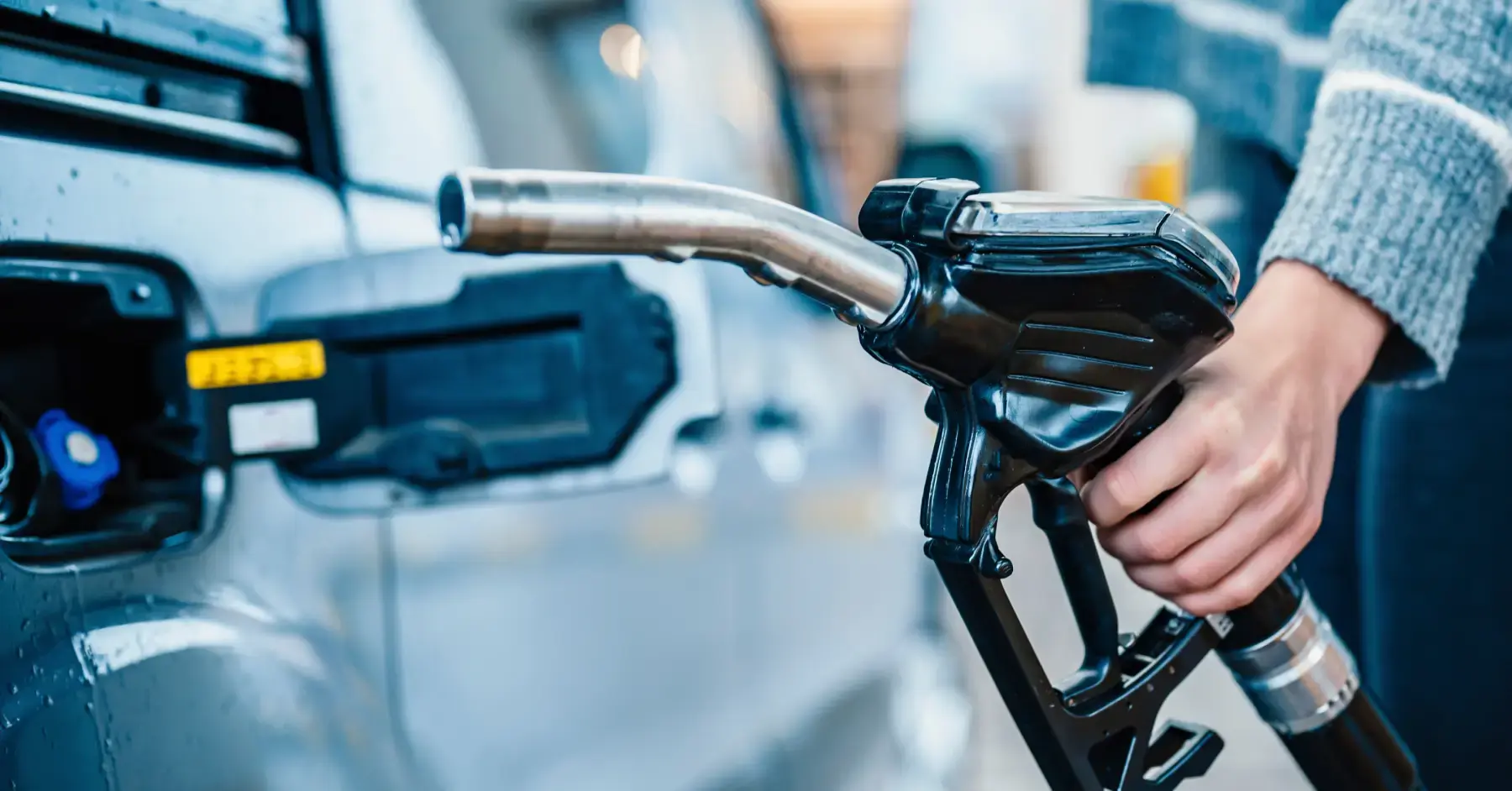
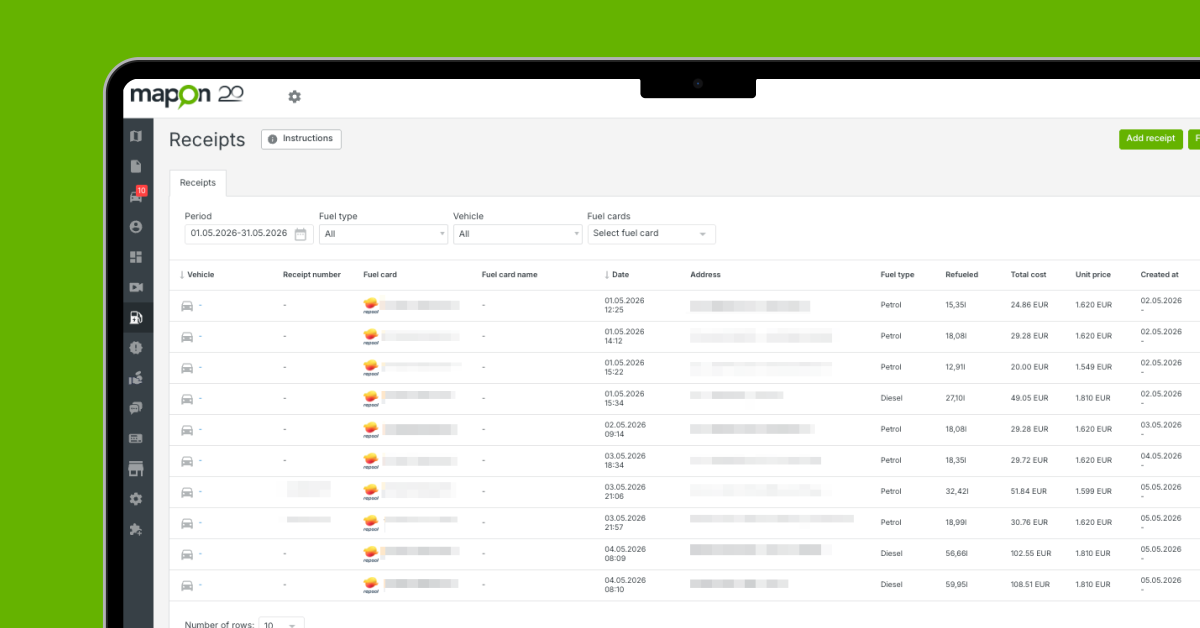
One of the most powerful elements of the project has been the integration between Mapon and Repsol. Thanks to this integration, refueling data made with Repsol cards is automatically synchronized on the Mapon platform, completely eliminating manual data entry and Excel files.
The result is exact traceability of every liter: Culligan can cross-reference billed liters with the dipstick data from their tanks in real-time.
"The integration between Mapon and Solred allows us to compare invoiced fuel volumes with the readings from our fuel tank gauges, giving us complete control and traceability of every litre of fuel" Jesús tells us.
This not only prevents administrative errors: it has also allowed for the identification of consumption patterns that were previously invisible. The reduction has been between 7.5% and 15% in distribution vehicles. And the most revealing data came from analyzing individual behavior: differences of up to 25% in consumption between drivers.
*While Repsol integration is only available to our clients in Spain, we have plenty of other fuel card integrations active across Nordics and Baltics - if you want to achieve same fuel visibility and discover saving opportunities in your fleet, make sure to check fuel card integrations here!
From Operational Control to Strategic Fleet Management
The impact of Mapon on Culligan is not measured solely in fuel savings. The platform has transformed how the company manages and plans its fleet:
- Administrative time savings and automation of manual tasks
- Faster and more accurate decisions on vehicle rotation and usage
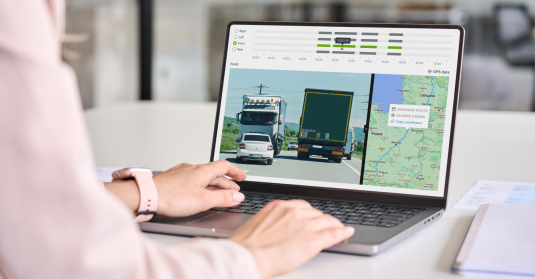
- Centralized view of location, consumption, drivers, stop times, emissions, and utilization, all from a single platform
- Ability to cross-reference data with their internal systems for complete traceability
And with 160 new vehicles joining the fleet in 2026, an investment of 6 million euros, Mapon has become a key component in structuring that growth efficiently and sustainably.
What is not Measured Cannot be Improved
When we asked Jesús what he would recommend to other companies with similar fleets, his response is very clear:
"Fleet management can no longer rely solely on experience or manual control. Nowadays, working with real data and connected tools is practically essential to electrify, grow efficiently, and move towards more sustainable operations," explains Jesús.
For an organization managing more than six hundred vehicles nationwide, having reliable and real-time information has become a competitive advantage. And, as highlighted by the company, Mapon not only provides operational control but also the strategic insight necessary to manage the fleet's future growth.
If you want to move from manual management to having total real-time control of your fleet, contact the Mapon team and we will help you find the most suitable solution for your company.
 Back to all posts