






 Search
 +371 6727 1803


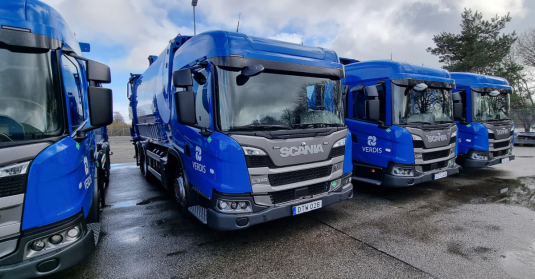
Meža Enerģija operates a fleet of more than 25 vehicles and machines, including timber trucks, chippers, harvesters, excavators, forwarders, and passenger vehicles, working across different locations throughout Latvia.
When the company had around ten employees, daily operations could still be managed through phone calls and handwritten notes. But as the team grew to nearly 50 people, it became clear that manual information sharing and personal record-keeping were no longer enough.
Today, Meža Enerģija relies on several Mapon solutions in its day-to-day operations, including GPS tracking, fleet cameras, fuel card integration, digital vehicle inspections, and mobile apps. The company's Technical Director, Ralfs Ozoliņš, explains how these tools help save time, improve visibility, and make everyday work more efficient.
Small tasks that quietly eat away at the workday
In fleet management, most attention goes to the big challenges such as fuel costs, vehicle maintenance, or route planning. But it's often the small administrative tasks that consume the most time over the course of a day.
"A single phone call from the office might take five minutes of a driver's time. But for the office staff, those five minutes quickly turn into hundreds," says Ralfs.
Every day, the team checks fuel data, monitors equipment usage, investigates why vehicles have been idling, assigns tasks, and answers drivers' questions. Even if only a handful of calls are needed to clarify information or coordinate work, those interruptions quickly add up to several hours.
"I realised that without Mapon, all those small tasks throughout the day could easily take several hours. Now, I get that time back," says Ralfs.
Fuel accounting in just five minutes a day
Fuel accounting used to be one of the company's most time-consuming administrative tasks.
Before introducing fuel card integration, drivers had to manually enter every refuelling into the company's internal system. If someone forgot or entered the wrong amount, the records no longer matched, creating extra work for the office team.
"The driver would fill up, then log into our system and enter the number of litres. If someone forgot, they'd call me and say, 'Ralfs, I didn't enter it.' Then accounting would ask why the numbers didn't match," Ralfs recalls.
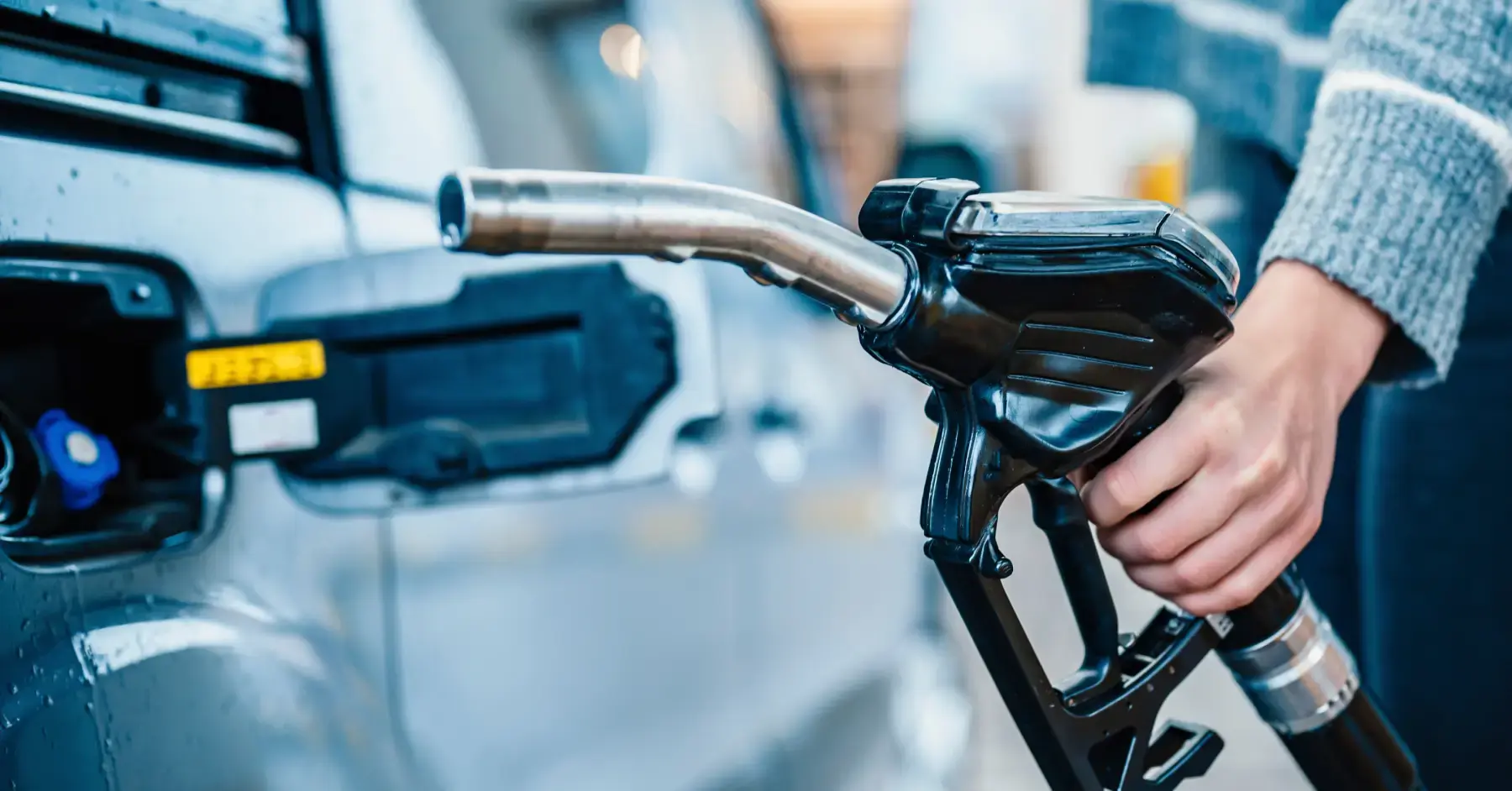
After integrating Neste fuel cards with Mapon, manual data entry was no longer needed. Refuelling data is now transferred to the platform automatically.
Meža Enerģija also uses virtual devices to track fuel purchased for on-site tanks and barrels, which are later used to refuel forestry machinery. This makes it possible to monitor both vehicle refuelling and fuel stock consumption from a single system.
"Now checking the data takes about five minutes a day. And, most importantly, everything finally matches," says Ralfs.
Cameras help understand the situation without extra calls
Meža Enerģija's machinery is equipped with front and rear-view cameras. Although the company has not yet needed the recordings for serious incident investigations, fleet cameras already save time in daily operations.
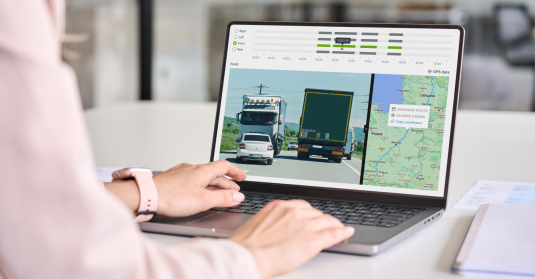
For example, if the Mapon platform shows that a machine has been idling for a longer period, the office team does not have to call the operator straight away. They can simply connect to the live video feed and check what is happening on site.
"I open the Mapon platform and see that the machine is idling. Then I connect to the camera and check what's happening. Maybe the operator is collecting a load or lubricating the tractor. I don't have to call and ask why the machine is idling," Ralfs explains.
These situations come up regularly in day-to-day work. Cameras help the team understand what is happening on site, react faster when needed, and avoid disturbing operators when everything is under control.
"If I see that the person is working, I let him work," says Ralfs.
This saves time for both the office team and the machine operators.
All work-related communication in one place
Meža Enerģija also relies on the Mapon Driver and Mapon Manager apps to keep daily operations running smoothly. Employees receive tasks, instructions, and other work-related updates through the apps, reducing the need for phone calls and scattered communication.
"In the Mapon Driver app, everyone is organised into teams. That's where employees receive information and instructions. All work-related communication happens in one place," says Ralfs.
At first, every employee could see the location of all company vehicles and equipment in the app. It didn't take long to realise that this created more distractions than value.
"The excavator operator would be having lunch, notice where the chipper operator was, and then the calls would start: 'What are you doing over there?'" Ralfs says with a laugh.
To solve this, Meža Enerģija organised employees into separate groups, so each team only sees the information relevant to their work. This keeps communication focused, reduces unnecessary questions, and helps everyone stay productive.
Digital inspections help catch issues early
Digital vehicle inspections have also become part of Meža Enerģija's daily routine.
Before starting work or handing over a vehicle, employees complete a digital checklist covering key technical items such as lights, oil level, and the odometer reading.
Not everyone was convinced at first.
"Some of the older employees couldn't understand it. 'Why all this paperwork? Why do I have to tap through an app? I already know what's wrong with my vehicle,'" Ralfs recalls.
Over time, however, it became clear that inspections are about much more than documenting a vehicle's condition for the driver. They ensure that the office team is notified immediately about any issues, making it easier to plan repairs, order spare parts, and schedule maintenance before small problems become bigger ones.
"The driver knows what's wrong with the vehicle, but we can't be standing next to everyone. If they report an issue in the Mapon Driver app, we see it straight away. We can order the necessary parts and prepare for the repair before the vehicle even arrives," explains Ralfs.
The result is fewer phone calls, fewer misunderstandings, and much faster action whenever a problem is identified.
New technology can't simply be forced on people
According to Ralfs, the biggest challenge when introducing new technology is rarely the technology itself. It's helping people adapt to a new way of working.
His experience has shown that employees are much more willing to embrace new tools when they understand why they are being introduced and how they'll make everyday tasks easier. That takes time, and often requires one-on-one conversations.
"Drivers are here to drive trucks, not to spend their day tapping on a phone," says Ralfs.
That's why every new solution has to remove work, not add more of it.
"Once people get used to it, they realise how convenient it is. They no longer have to search for information, make phone calls, or write everything down. Mapon saves time for everyone, both in the office and out on the road," Ralfs says.
"Without a platform like this, we'd be back in the Stone Age"
Today, Mapon is one of the first tools Ralfs opens every morning. He uses it to check where equipment is, monitor fuel data, view live camera feeds, and keep track of updates from employees.
"I'm in the platform every day. My job is to make sure the fleet is moving, the equipment is working, and I always know where everything is," says Ralfs.
Looking back, he finds it difficult to imagine managing the company's operations without it.
"Without a platform like this... I don't even know. We'd be back in the Stone Age, making phone calls all day just to find out what's going on."
***
If your team is spending too much time on routine administrative tasks, talk to the Mapon team. We'll help you find the solution that best fits your fleet and the way you work.
 Back to all posts