





 Search
 +371 6727 1803

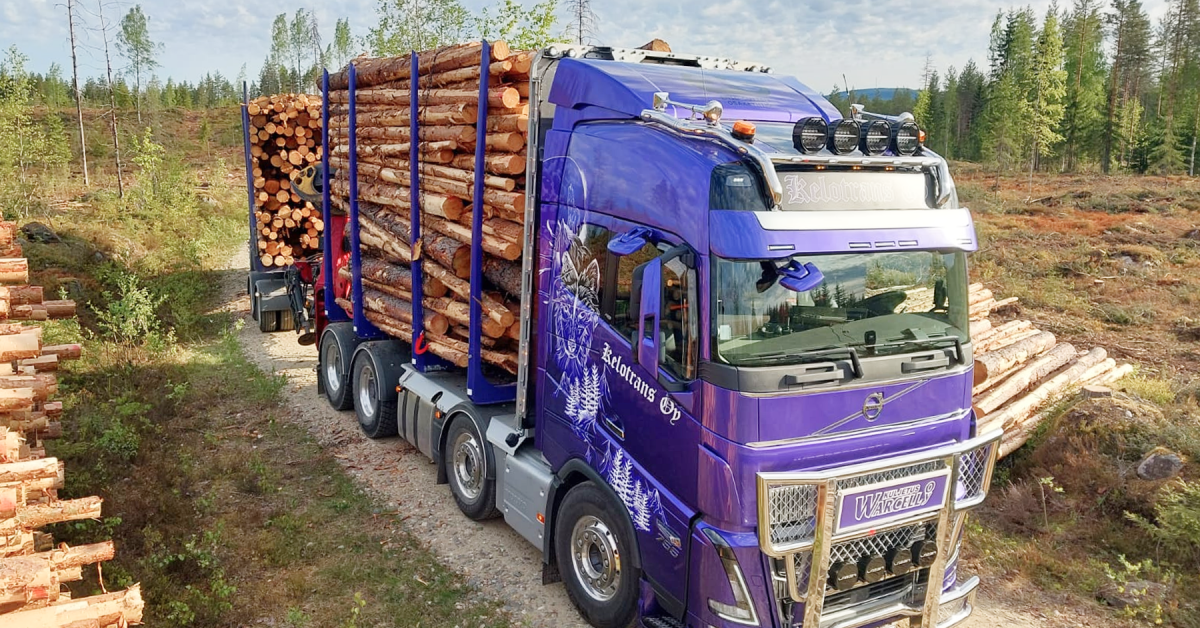
After a fatal accident involving one of its timber trucks in Eno, Kuljetus Warcell spent many hours talking with the police, rescue services, accident investigators, the insurer and in internal meetings. The driver had to describe the accident again and again.
One of the first questions from the police was: did the truck have a dashcam? It didn’t.
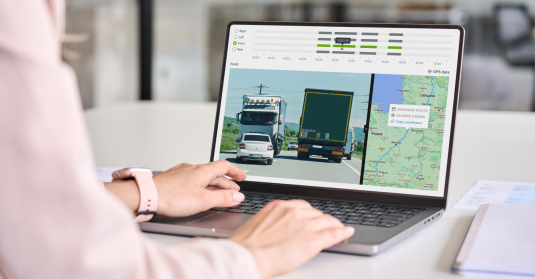
Today, all ten Warcell timber trucks have Mapon dashcams. In our article, the company's chairman Jukka Partanen explains how the cameras protect drivers after an accident, why road damage checks now take 15 minutes instead of several days, and why he would not drive without a camera again.
Video takes the pressure off the driver
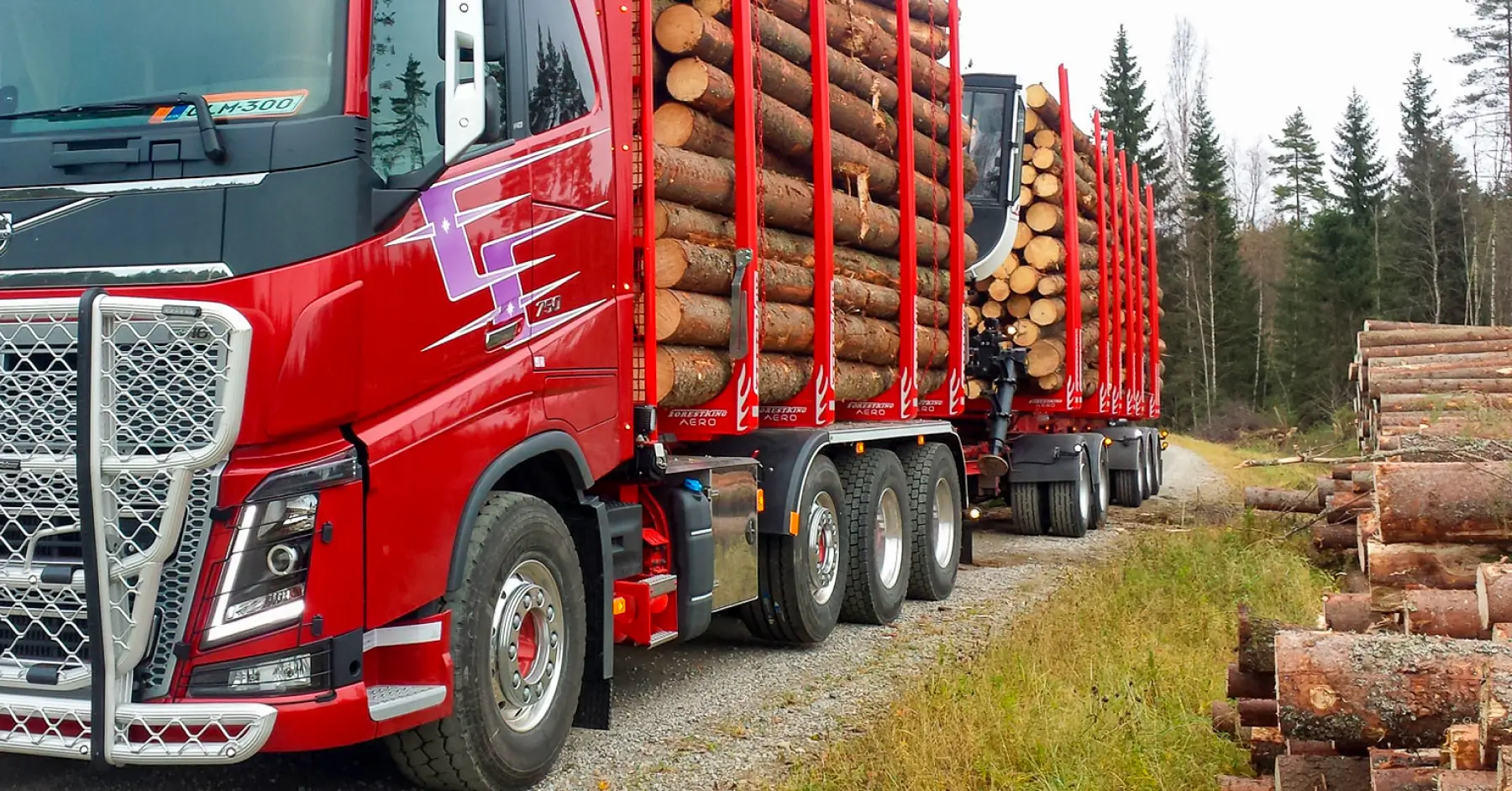
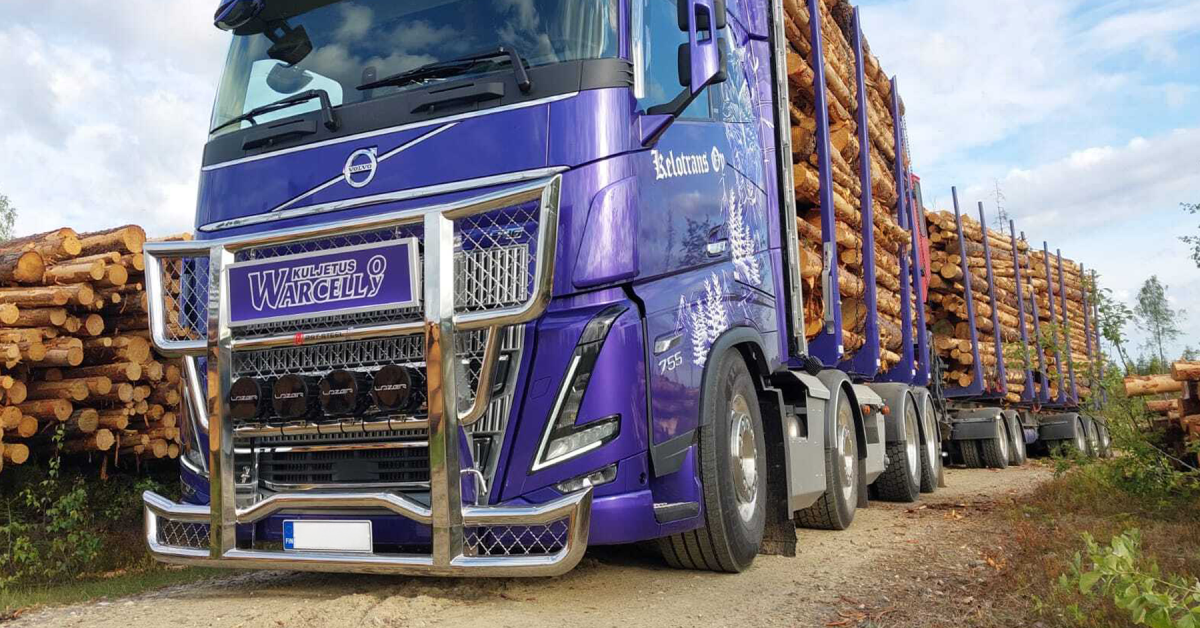
Kuljetus Warcell is a transport company formed by eight haulage professionals, carrying timber in Eastern Finland. The company's ten timber trucks are now equipped with Mapon dashcams and tracking devices.
The decision was not driven by a desire to monitor drivers. For Warcell, one of the camera's most important jobs is simple: to support the drivers, and if something happens, to leave behind an impartial record.
Before the company had camera systems, Partanen saw up close how hard it was for a driver to go over the worst possible kind of accident.
"Naturally, after something like that you're already mentally exhausted, and on top of that you have to relive a traumatic experience again and again for the practical investigations. It can be really heavy and draining.
It's valuable if we can ease the mental burden of the person involved in the accident in this way."
Today, with video recordings, dispatch takes a bigger role in the investigation: retrieving the video, passing on the information and handling the reporting. The driver no longer has to go through the situation time after time, and can instead focus on processing their own thoughts and looking after their mental wellbeing.
A second accident, this time on camera
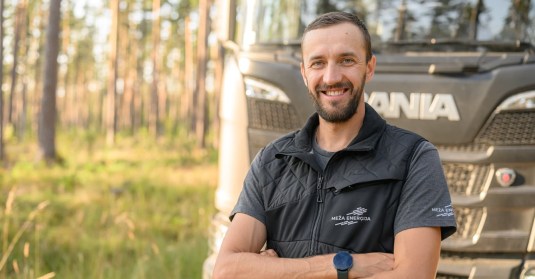
Jukka Partanen soon saw the value of the camera first-hand.
He was driving a timber truck when a passenger car approached from a side road. Partanen noticed the car and started slowing down. At the junction, the car's driver looked the other way, but not in his direction – and pulled out onto the road.
At that point, there were few options left.
Partanen braked and tried to swerve, but a 26-tonne truck couldn't be stopped in a second. The timber truck hit the car, which was knocked off the road by the force of the collision. Fortunately, no one was seriously injured.
This time, however, there was more evidence than just the memories of those involved.
The camera footage clearly showed how the situation unfolded, what the driving speed was and how Partanen had anticipated the danger.
"I had sharp footage of how the situation unfolded and how I acted. Even though in this case the other party was clearly at fault, I had very strong evidence to cover my back. A picture is always worth more than a thousand words."
This is one of the greatest benefits of a camera for a professional driver. The camera doesn't just document what others on the road are doing. It also shows how the driver reacted: did they spot the danger, slow down in time and try to avoid the accident? The evidence is also easy to share with all parties involved.
Accident investigation now takes 15 minutes
Accidents are the most dramatic use case for a camera system, but in Kuljetus Warcell's daily work, the benefits often show up in far more ordinary situations.
For timber trucks, almost 95% of loads are picked up along forest roads and private roads. Those roads can be in poor condition even before heavy vehicles arrive. If it's later suspected that a timber truck damaged the road, the transport company has to be able to show what really happened.
Before the cameras, such an investigation could take several days and waste over 100 euros.
With complaints coming in once or twice a month, that quickly adds up.
Phone calls went back and forth between dispatch, the owner-operator and other parties. Partanen himself often had to drive out to check the condition of the road. The site of the complaint could be 25 kilometres away. It wasted both the owner-operator's and dispatch's time.
Now the first step is much simpler: open the camera recording. Once the date and approximate time are known, the recording can be retrieved to check the road's condition.
"Several quarter-hour phone calls over a few days, a 50-kilometre round-trip to check the road, fuel, a couple of people's working hours… We're probably talking about 100 euros of wasted time and money. The camera clearly makes our daily work more efficient."
Today, dispatch spends less than 15 minutes on checking and reporting this.
Drivers feel safer on the road
When Partanen talks about cameras, the conversation keeps coming back to the same thing: peace of mind.
At Kuljetus Warcell, the cameras have given drivers and owner-operators the reassurance that if something happens, they won't have to prove what happened afterwards with words alone.
"The footage doesn't lie. It's neutral and clear. It shows reality exactly as it happened. It helps with mental wellbeing and brings peace of mind."
According to Partanen, drivers and owner-operators all agree the cameras have been a good thing. He describes the feeling as a “sigh of relief”: it's easier to be out on the road when you know you’re covered, and if needed, there's an impartial record of what happened.
"Customers have also been satisfied when we can provide recordings of unclear situations. It increases transparency. Mapon is a reliable, closed system that no outsider can access, so data security is taken care of," Partanen sums up.
Less time on the phone, easier daily work
The cameras were the reason Kuljetus Warcell chose Mapon. On top of that, Mapon Expert tracking devices offer other useful features too.
Partanen says that with Mapon, they have fewer phone calls and fewer surprises. Some of the owner-operators use the system to track routes and locations, fuel consumption, refuelling or working hours. With fuel being one of the biggest costs, Warcell monitors economical driving and fuel use, and plans to invest even more in these areas in the future.
Emissions reporting has also become part of operations. Mechanical buttons in the truck allow each trip to be allocated to the right customer, so Warcell can report the emissions generated per client. Partanen expects emissions reporting requirements to grow in the future, and it is also part of the company's own sustainability work.
Warcell's decision was driven above all by the quality of the camera footage and how well the solution itself works. “Additionally, onboarding, installations and dealing with technical support have all been smooth. It's an easy system, and the cooperation is consistent and clear. I'd definitely recommend Mapon to others too," says Partanen.
"I wouldn't drive without a camera anymore"
Jukka Partanen firmly believes that dashcams should become mandatory, at least in professional transport. They would certainly calm traffic on the roads and make accident cases clearer.
"I wouldn't drive professionally without a dashcam anymore. It's an absolute must-have in my fleet, now and from here on."
Want the same peace of mind for your drivers and managers? Get in touch with Mapon and we'll find just the right camera setup for your fleet!
 Back to all posts