





 Search
 +371 6727 1803

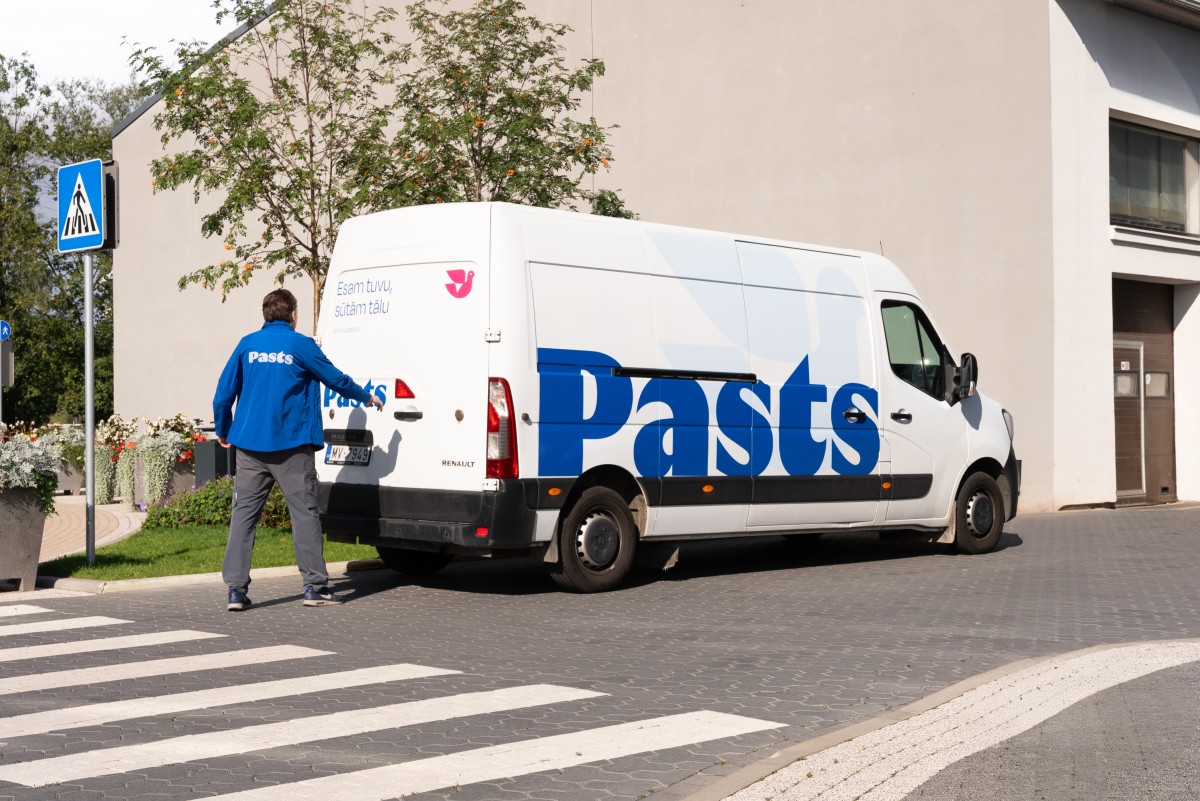
Stable reduction in fuel consumption, improved safety, and significantly lower CO₂ emissions – results achieved by Pasts through focused efforts on eliminating idling and improving driving habits, fostering healthy internal competition.
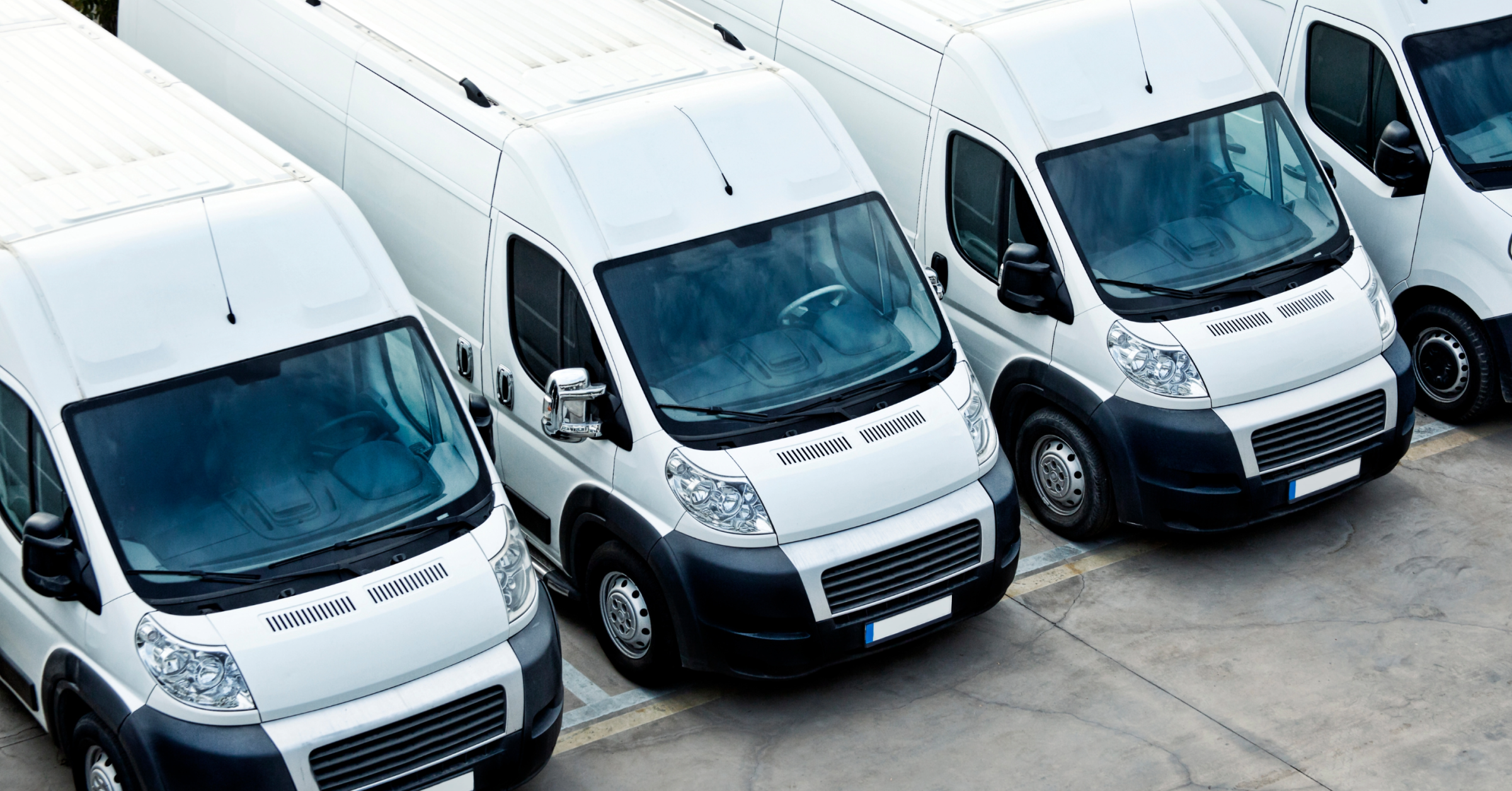
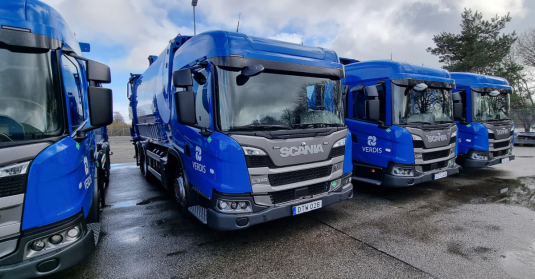
Pasts has one of the largest fleets in Latvia. Nearly 800 units, consisting of courier vans and cargo transport, mail carrier cars, electric bicycles, and even virtual units for pedestrians. Behind all this is a team that not only organizes daily work but also continuously seeks ways to do it more efficiently.
This is the story of how driving habits in the courier team, with approximately 160 drivers and vans, are continuously improving and creating real savings.
Step one - eliminating idling
The improvement in efficiency began with a simple yet crucial step - regular fuel consumption analysis. The average consumption was calculated for each vehicle, allowing deviations to be identified and understanding where excess expenses were occurring.
One of the key findings was that a significant portion of fuel was consumed during idling - situations where the vehicle was stationary with the engine running. With the help of Mapon, alerts were implemented, allowing these instances to be quickly noticed and addressed. The result was evident. As indicated by the head of the Pasts fleet, Matīss Ģērmanis:
"We can proudly say that idling is practically non-existent in our courier team."
This demonstrates how significant the impact of even seemingly small changes can be. However, eliminating one consumption-inducing habit does not solve the problem entirely. The way drivers operate vehicles also plays a significant role, and there was room for improvement in this area as well.
Competition as the main tool for changing driving behavior
To achieve long-term improvements, Pasts introduced an internal competition within the courier delivery team. Its goal is to actively engage employees and create a situation where efficient driving becomes a self-motivated choice.
The competition was launched in the summer of 2025 and currently covers the majority of couriers – approximately 150-170 employees. It takes place every month and evaluates two categories: eco-driving and fuel consumption.
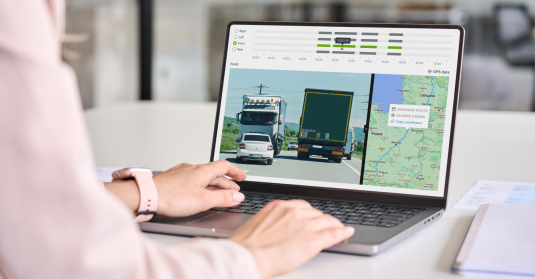
Eco-driving includes indicators such as driving speed and idling. These indicators are analyzed using the Mapon driver behavior analysis solution, which allows for the assessment of each driver's driving style and the identification of improvement opportunities. Meanwhile, fuel consumption is calculated based on both Mapon data and fuel receipts.
Most importantly, the competition is not just about results but also about engagement and a change in attitude. “Most of the team is interested – if not in winning, then at least in improving their results,” explains Mariss Zigats, head of the courier delivery department. Meanwhile, as Matīss points out, even a simple comparison of results provides additional motivation because “no one wants to be last.”
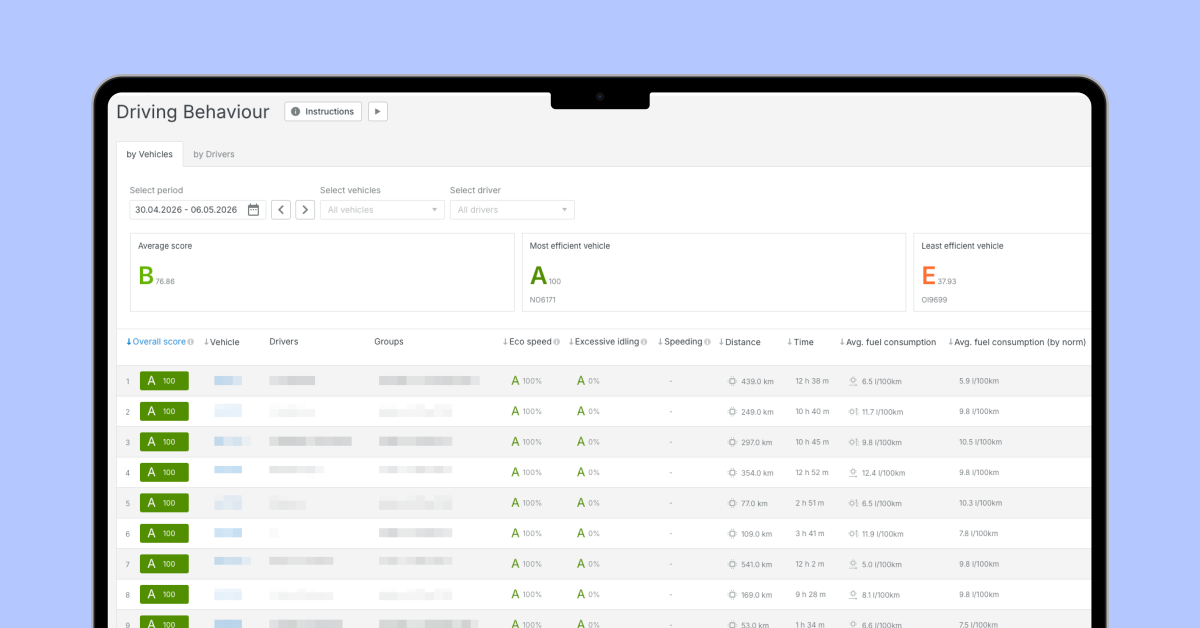
Every month, the authors of the best results in each category are awarded cash prizes.
This approach delivers very specific business results. Improvements are assessed by comparing fuel consumption month by month with the corresponding periods of the previous year, and this consistently shows a positive trend.
“We constantly see that the results in fuel economy are better than in the previous year,” notes Matīss Ģērmanis.
Importantly, both parties benefit from this model. Employees receive additional motivation and bonuses for good performance, while the company simultaneously reduces fuel costs and improves fleet efficiency. As Mariss emphasizes:
“Even if you reward employees, the company as a whole only gains – both in fuel savings and other benefits.”
More efficient driving means not only reduced fuel consumption but also less risk on the road. Reckless driving increases the likelihood of accidents, which in turn means both additional repair costs and vehicle downtime.
As a result, the benefit to the company is greater than just fuel savings, as indirect costs associated with damages, downtime, and vehicle availability are also reduced. As highlighted by the head of the courier delivery department:
“These are indirect savings. When you take them into account, the overall benefit is even greater.”
At the same time, the company continues to work with employees whose results are lower, organizing discussions and explaining the principles of efficient driving.
As Mariss Zigats explains, these conversations are not formal – employees actively participate, share experiences, and discuss what can be improved. This helps not only to explain the principles but also to achieve real changes in daily driving habits.
More efficient driving also means less CO₂
More efficient driving means lower fuel consumption, and lower consumption also means reduced CO₂ emissions. Within Pasts, these things go hand in hand and form a significant part of the overall result.
Pasts representatives acknowledge that CO₂ reduction is not a separate initiative but naturally results from improved driving habits and is a direct outcome of the competition. As Matīss states:
"For us, CO₂ is not just theory – we actually measure it, check the results for each vehicle, and set a specific goal to reduce it each year."
Pasts sustainability goals are clearly defined, and CO₂ emissions accounting is an integral part of fleet management. Emissions are measured both at the overall fleet level and for each vehicle individually, allowing precise tracking of changes.
Mapon provides the necessary visibility in this process, allowing emissions data to be viewed at any time and used in sustainability analysis. The platform offers separate CO₂ reports, enabling transparent tracking of emissions for each vehicle and the fleet as a whole.
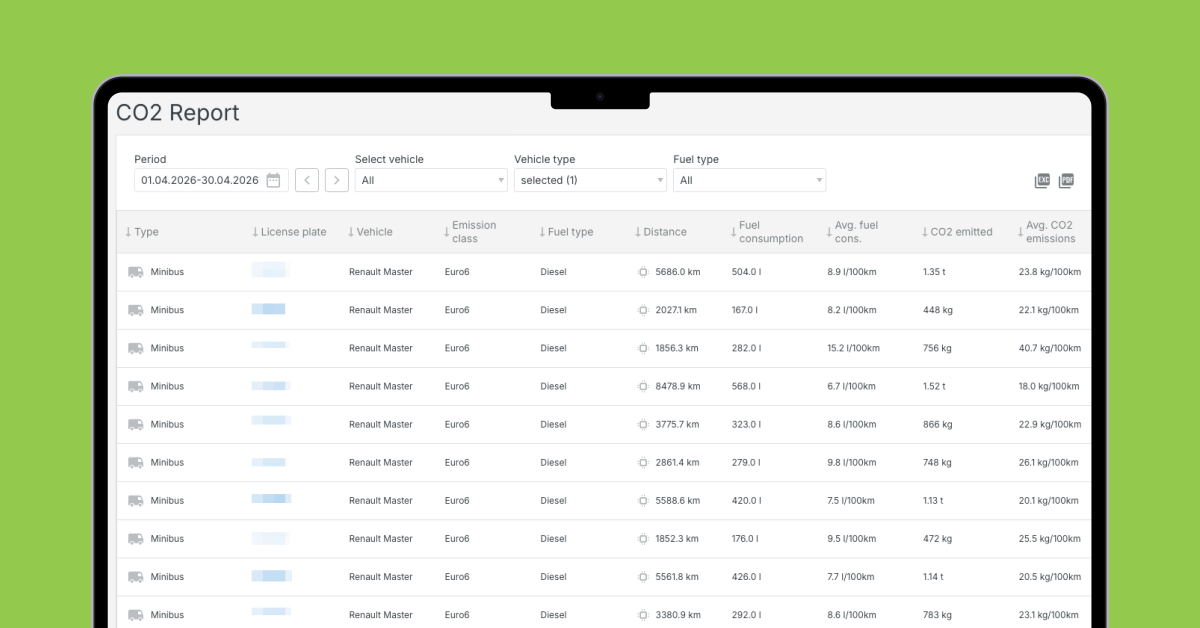
This data is used to enhance the company's sustainability. It is passed on to the responsible team and serves as the basis for implementing the overall emissions reduction strategy.
“For us, CO₂ reduction is related to everything – idling, routes, and fuel consumption,” notes Matīss.
As a result, initiatives initially implemented to reduce costs also help achieve the company's sustainability goals.
People behind the platform
An important role in these improvements is also played by the collaboration with the Mapon team. According to Pasts representatives, it is crucial not only to access data but also to be able to quickly and effectively resolve everyday situations.
Special emphasis is placed on the collaboration with Mapon's client project manager Mārtiņš Dortāns: "Mārtiņš is always reachable and helps swiftly resolve various situations, which is very important for us in our daily operations."
Such collaboration helps ensure that Mapon solutions are fully utilized in daily work and provide real benefits in fleet management.
What can be learned from this
It is important that these improvements are not temporary. Pasts experience shows that by using data and implementing a clear motivation system, it is possible to achieve sustainable progress in fuel consumption, safety, and sustainability indicators.
In this case, the competition becomes a practical tool that helps to turn data into concrete actions. It promotes employee engagement, improves driving habits, and generates both direct and indirect benefits for the company.
If your company also faces similar challenges, it's worth asking yourself a simple question – are you really making full use of your data?
 Back to all posts