






 Search
 +371 6727 1803

Tachograph data management is an integral part of the daily operations for transport companies. European Union regulations set out rules on how long drivers are allowed to be on the road, and when rest is required.
To ensure that the authorities can monitor compliance with these regulations, companies must regularly download, store, and be able to present tachograph data to the relevant authorities upon request.
These requirements can be met in various ways, but more and more transport companies choose to automate this process. Keep reading to learn how Latvian transport company SIA Paula-Š is improving its fleet processes through digitisation.
When 'that's how we've always done it' no longer works
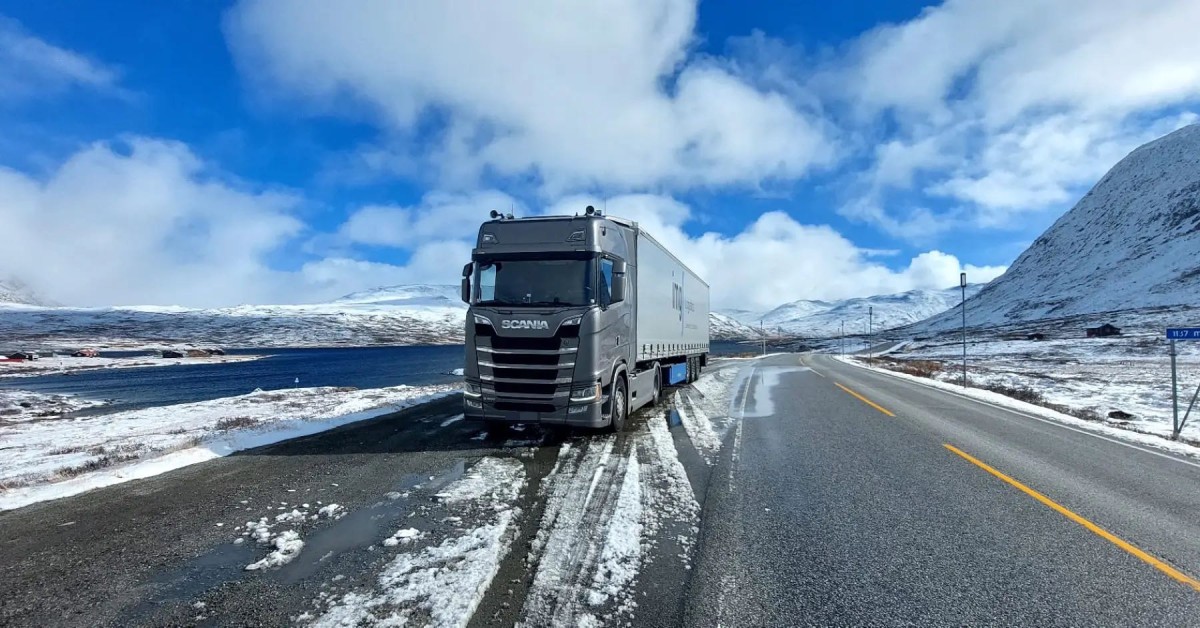
SIA Paula-Š is a family owned transport company engaged in international freight transportation, primarily in the Baltic and Scandinavian countries. Telematics solutions are not new to them, but the previous system was quite outdated and could not longer meet all the company's requirements.
"We found the capabilities of the Mapon and Tachogram systems appealing - not only to track vehicles in real-time but also to generally monitor, oversee, and analyze the efficiency of the fleet and each individual driver's operations," says the company's logistics specialist, Ina Šumeiko.
The company also had its own process for downloading tachograph data. For shorter trips, tachograph data was downloaded when the driver returned to the base. However, when the company regularly undertook long trips across Europe, each driver was equipped with both a card reader and an additional company tachograph card to download vehicle data on the road.
The process worked, and the drivers handled it responsibly. So why change what was already working?
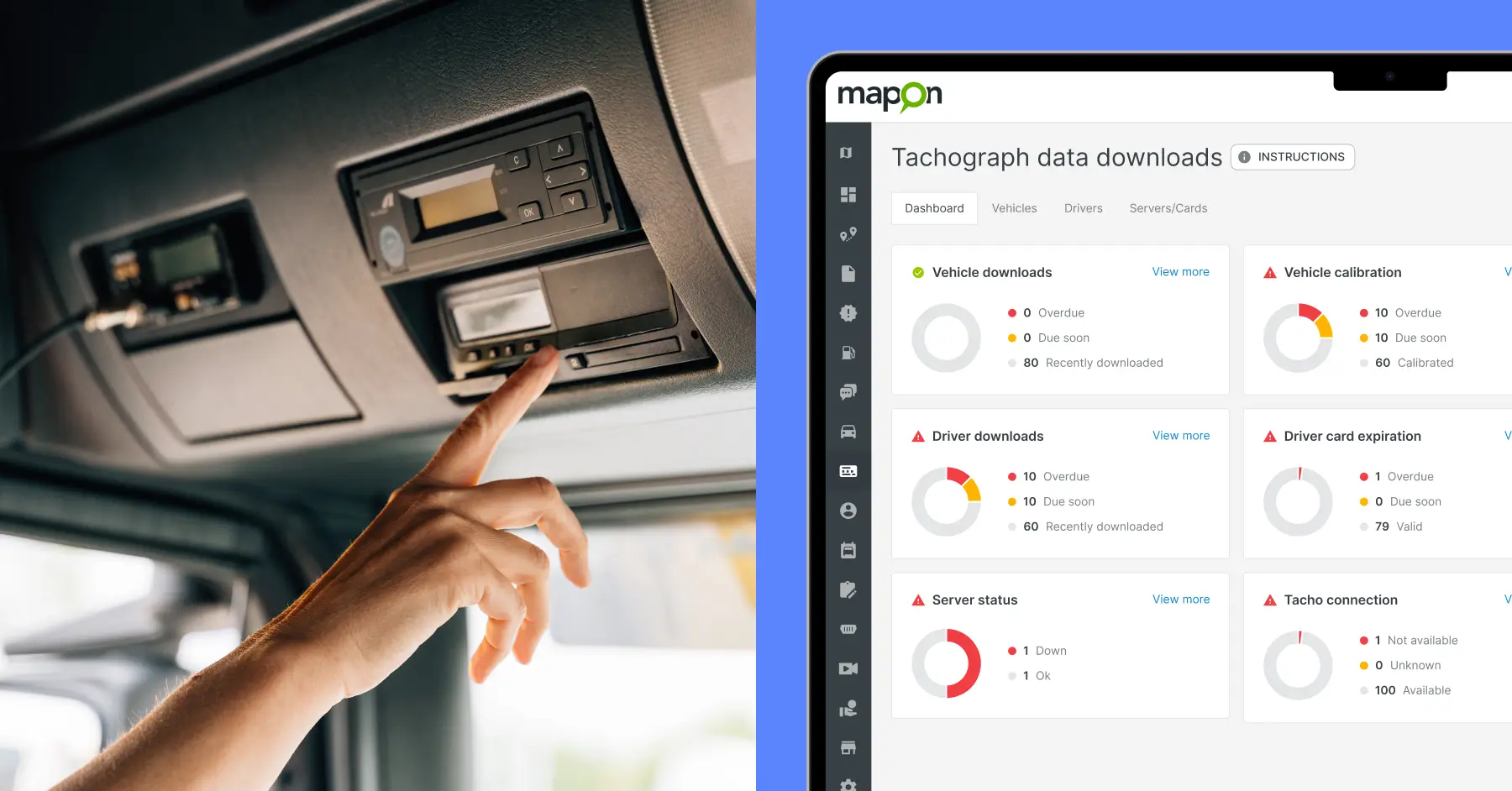
Ina's answer is simple: "We see it as a step forward – it will ease our drivers' daily work, remove the responsibility for timely data downloads, and allow us to eliminate unnecessary company cards."
Moreover, the previous process of ensuring compliance brought additional expenses to the company, requiring each driver to be equipped with a company card and a reading device.
Company tachograph cards in Latvia are issued by the Road Transport Directorate and each cost 100 euros, whereas the card readers purchased by the company cost around 350 euros each. For ten drivers, this is an investment of 4500 euros.
As Ina points out: "If we had switched to the Mapon solution a year ago, during the transition to second-generation smart tachographs, we wouldn't have had to update the tachograph reader software, as well as several company cards that were expiring at that time."
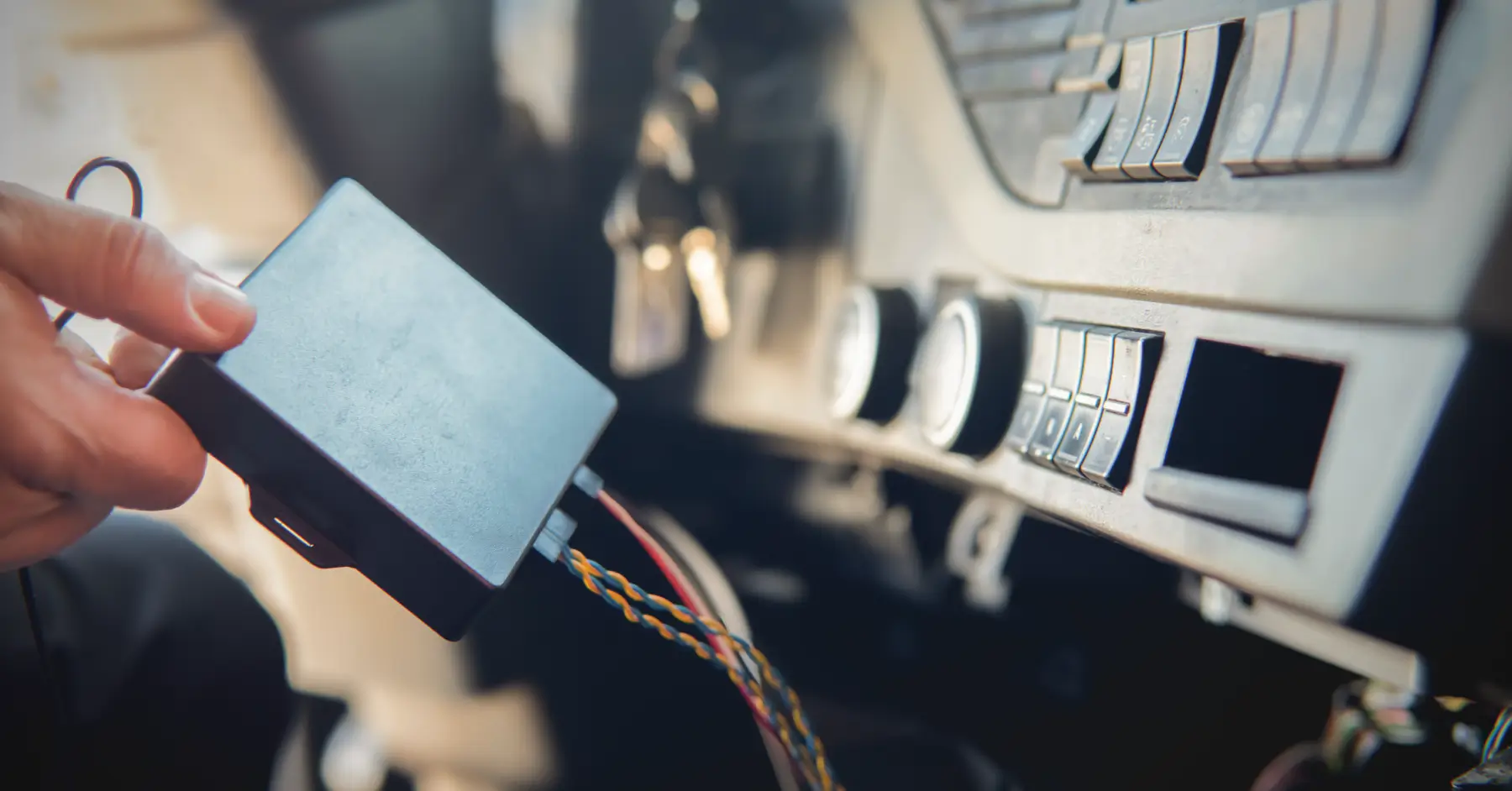
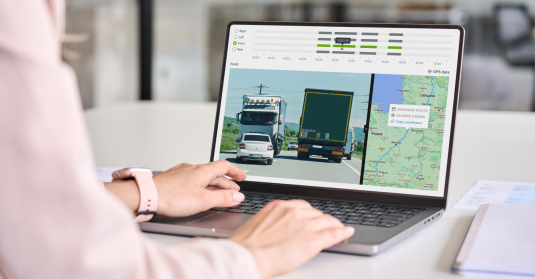
Mapon's remote tachograph data download solution automates data acquisition and eliminates the need to manually download data with card readers. Moreover, it only requires one company card for operation.
Data availability on the road provides drivers with a sense of security
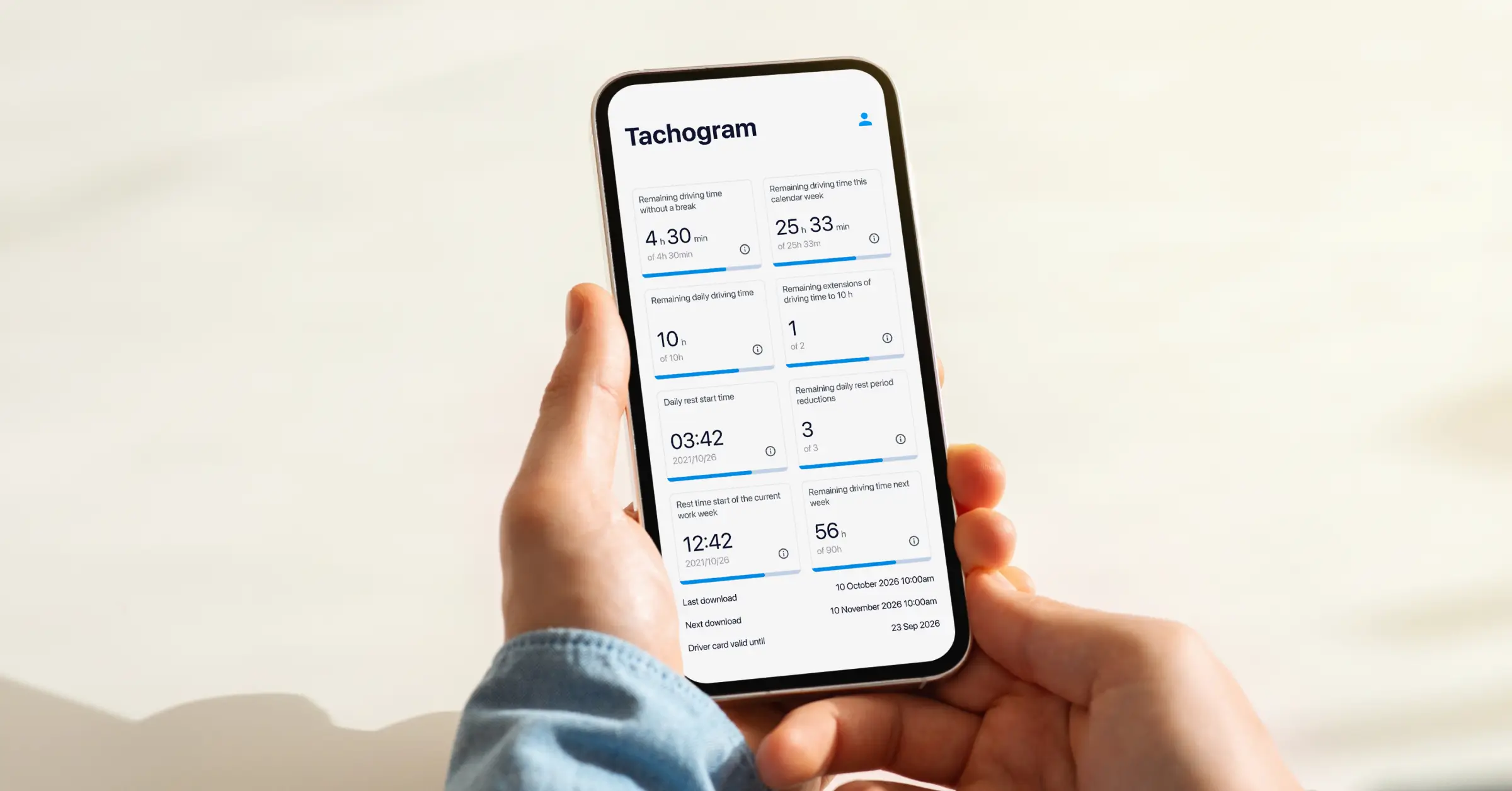
The company also uses the Tachogram platform to facilitate the management of drivers' work and rest periods. Although Ina admits that Tachogram is only used from time to time, it is highly appreciated by the company's drivers.
"Tachogram is a convenient way for drivers to check for themselves whether the work and rest schedule is being followed."
For example, whether the tachograph has accounted for a ferry trip or if the night rest has already started at the port. Sometimes, situations occur where a driver boards a ferry during a break, but for some reason, the tachograph perceives it as the start of a new workday and interrupts the rest period.
Now, the driver can look at the system and see how the tachograph has interpreted the information they entered.
"Overall, it makes the work easier for the drivers and gives them a greater sense of security," explains Ina.
First Impressions and a positive future outlook
The company has started using the Mapon and Tachogram platforms fairly recently, but already sees the potential of these solutions, and representatives are optimistic about their future contribution to daily work.
"Our main expectation is time savings, the ability to control compliance with driver working and rest time regulations, and the possibility to gradually eliminate written driver reports," says Ina.
Automated data management means less manual work for both drivers and administration. Drivers no longer need to fill out paper reports, and office workers don't have to process and store paper documents. This way, the company avoids duplication of work and can focus on core tasks.
Concluding the conversation, Ina adds: "Moreover, if we ever face a company audit, all the necessary information will be easily accessible."
If the tachograph management process is new to you or you simply want to do it more efficiently, contact our team, and we will explain how to ensure compliance without unnecessary headaches!
 Back to all posts