






 Search
 +371 6727 1803

Transport companies know that even small route deviations can lead to real costs. If a planned route is 500 kilometres but the driver covers 600, the company pays extra for fuel, time, and vehicle wear. Without clear route control, these issues are difficult to detect and even harder to prevent.
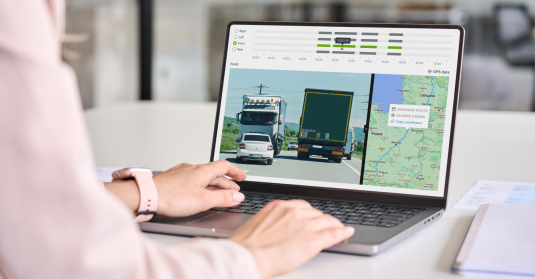
That’s why more companies are turning to digital fleet management tools. They make it easier to plan routes accurately, monitor vehicle movement, and reduce unnecessary kilometres.
The Latvian company SIA LatIgMa, which exports woodworking products, uses the Mapon fleet management platform to control routes and streamline communication with drivers. We spoke with LatIgMa representative Viesturs Šauriņš to learn how GPS tracking, remote tachograph data download, and route planning support their daily transport operations.
Build your fleet digitally from day one
LatIgMa Ltd was founded in 2003 and specialises in wood processing and product export. For many years, the company relied on outsourced transport services, but freight market price fluctuations often led to unexpected cost increases on certain routes.
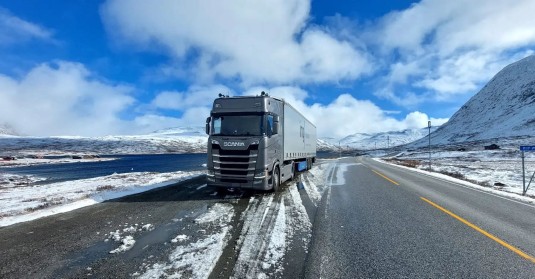
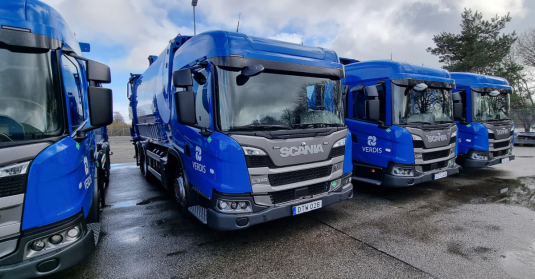
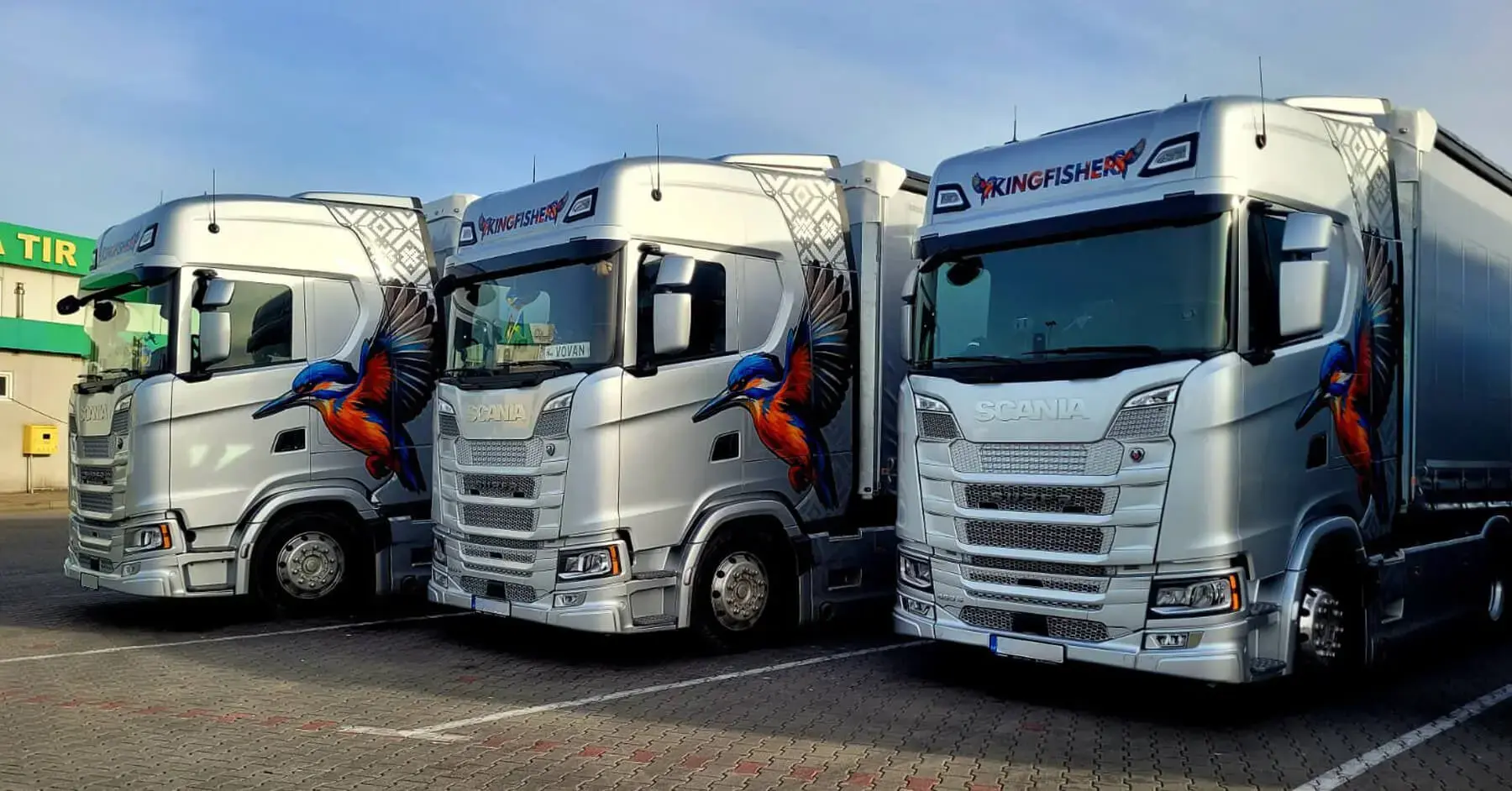
To gain better control over logistics expenses, the company decided to build its own fleet. In October 2025, LatIgMa purchased six Scania trucks with semi-trailers. From the start, the vehicles were equipped with Mapon solutions, allowing the company to manage its fleet in a digital environment and avoid manual processes.
Proven experience with Mapon
Choosing Mapon was a natural decision. Viesturs notes that he has worked with the platform for many years at other companies, so he already knew what to expect.
When LatIgMa decided to build its own fleet, the choice was straightforward – to use a solution that had already proven its value. At the time, the Mapon platform also offered new features, such as task and route planning, helping to better organise transport operations and simplify communication with drivers.
Automated tachograph data management
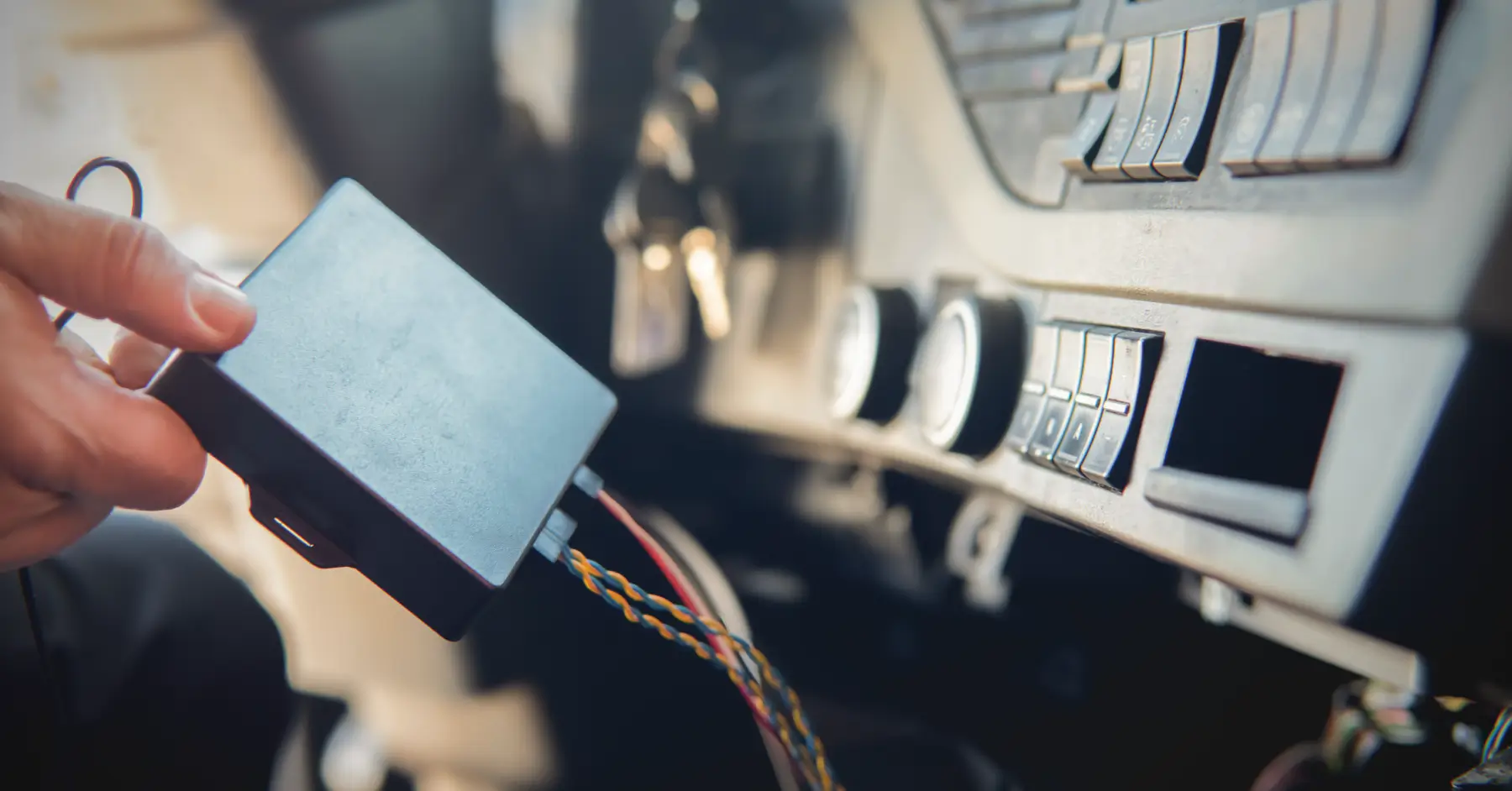
One of the first solutions LatIgMa implemented was remote tachograph data download. In Europe, transport companies must regularly download tachograph data to comply with driving and rest time regulations. When done manually, this process can become complex, especially if vehicles operate abroad for longer periods.
“If a driver in Europe forgets to download the tachograph card data, handling it later can become quite a challenge. Remote download simply removes this unnecessary hassle,” says Viesturs.
In addition, as the company grows its fleet, this solution makes it much easier to manage a larger number of vehicles.
Route planning reduces idle kilometres
Route planning on the Mapon platform plays an important role in LatIgMa’s daily operations. In transport, the planned distance often differs from the actual one. If a route is estimated at 500 kilometres but ends up being 600, the company pays extra for fuel and time.
With Mapon, the dispatcher can define the exact route the vehicle should take. The driver then follows it via the Mapon Driver app, reducing the risk of longer or less efficient routes.
“If the driver follows the planned route, there’s no need to constantly check their location. You can also plan everything in advance, from refuelling stops to rest breaks,” says Viesturs.
As a result, trip planning becomes more transparent, and the company has a clear view of how vehicles are moving.
Less calling, simpler communication with drivers
In transport companies, communication between the office and drivers often relies on phone calls and messages. This can be time-consuming, especially when managing multiple vehicles at once.
With route planning, communication becomes much simpler. Once the dispatcher creates a route, the driver sees it in the navigation and can follow it without additional calls or explanations.
Viesturs confirms that this saves a significant amount of time. When the driver follows a pre-planned route, there’s no need to constantly check their location or question route choices.
Drivers quickly adapt to the solution
Ease of use is key when introducing new technology. In commercial fleets, drivers of different ages work side by side, and not all of them are familiar with digital tools.
Mapon’s route planning turned out to be simple to use, even for employees with no prior experience with similar solutions.
“We have two drivers over 60. At first, I was concerned about how they would handle the technology, but there were no issues.
One driver understood everything right away without any questions. We showed the other how the route planner works once, and since then, he has been using it without any problems.”
Platform as a daily work tool
The Mapon platform has become a daily work tool for the LatIgMa team. It is used to plan routes, check actual mileage, and analyse tachograph data.
Viesturs states that the platform is used every day, making Mapon solutions an integral part of the company's transport work organisation.
Fleet digitalisation pays off from day one
LatIgMa’s experience shows that building a modern fleet from the start brings clear benefits. By implementing digital solutions early on, the company avoided many manual processes and reduced the risk of human error. This allows the team to focus on transport planning and business development instead of administrative tasks.
As the fleet grows, this approach becomes even more valuable. With processes digitised from day one, the company can scale operations more easily while maintaining control over costs and daily activities.
If you’re looking to digitise your fleet and gain a clear overview of your transport operations, get in touch with the Mapon team – we’ll help you find the right solution for your business.
 Back to all posts